

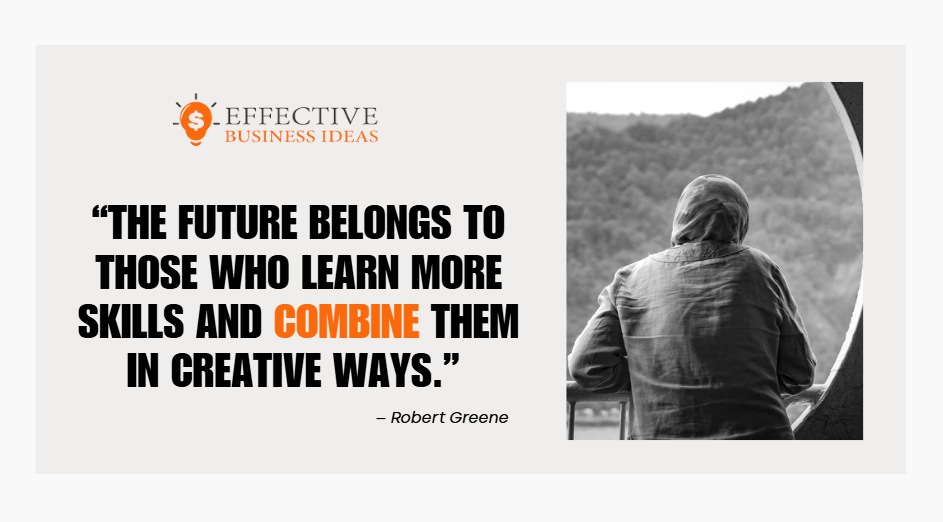
A few decades ago, landing your dream job meant getting a degree, dressing formally, and hoping an employer would give you a chance. But today’s career landscape doesn’t work like that anymore. Across the world, from America to Nairobi to New York, companies are shifting focus from degrees to skills that actually deliver results. That’s why everyone must be familiar with skill-based learning.
Skill-based learning has become the new passport to opportunity. Whether you’re trying to land your first role, switch careers, or go global through remote work, what employers value most now are your job-ready skills, what you can do, not just what you know.
The good news? Anyone, anywhere, can actually learn in-demand skills online, build a portfolio, and compete for top roles, no matter where they live or what school they went to.
Why is the emphasis now on skill-based learning
For years, society has told us that education guarantees employment. I grew up with the mentality of finishing school and getting a job in my field immediately. Yet, ever since COVID-19 and even more now, we’re seeing something different: people with degrees but no jobs, and people with skills getting hired globally.
The 2024 LinkedIn Global Skills Report revealed that 70% of employers will prioritise skills-based hiring over degrees by 2030. Similarly, a World Economic Forum (WEF) study found that by 2027, 44% of workers’ skills will need to change due to AI and digital transformation.
This gap between education and employability is huge. Universities often teach theories, but most jobs, from tech to marketing to design, require hands-on abilities. For example, a graduate with a degree in Business Administration may know marketing theory, but a self-taught marketer skilled in SEO, copywriting, and Meta Ads can start freelancing or work remotely for a brand in the U.S. tomorrow. That’s the power of skill-based learning.
Across industries, we’re seeing the same shift:
- Tech: Companies like Google, IBM, and Microsoft now hire based on certifications and portfolios, not necessarily degrees.
- Creatives: From video editing to UX design, clients look at your portfolio before your diploma.
- Freelancing: On Upwork and Fiverr, your profile skills determine your earnings, not your university.
In my opinion, a degree is like a ticket that gives you access to opportunities. It helps you meet specific job requirements and opens doors to new possibilities. However, what truly leads to success is having the right skills. These skills not only help you get a job but also allow you to grow and succeed in that position. In short, degrees open doors, but skills help you build a successful career.
What Skill-Based Learning Actually Means
So, what exactly is skill-based learning?
It’s a focused, practical approach to learning that prioritises specific job-ready skills over general theory. It means learning what makes you employable, and learning it fast.
This is all about a hands-on way of learning that zooms in on the skills you actually need for a job, rather than getting lost in all sorts of theory. It’s about figuring out what will help you get hired and picking it up quickly.
While traditional education teaches you about things, skill-based learning helps you do things. It’s the difference between reading about data analysis and actually analysing datasets using Python or Excel.
Skill-based learning combines:
- Hard skills: Technical abilities like graphic design, coding, writing, or data analysis.
- Soft skills: Communication, time management, and emotional intelligence, the human skills that AI can’t replace.
Together, they make you globally employable. For instance:
- A content writer with SEO and storytelling skills can work for a brand in Canada.
- A UX designer can get remote contracts with U.S. startups.
- A data analyst can consult for European companies.
Why Skill-Based Learning Is the Shortcut to Dream Jobs
Here’s the truth: your degree may have gotten you started, but your skills will take you global.
Employers want people who can adapt, learn fast, and deliver results. And skill-based learning builds exactly that. It’s faster, cheaper, and more flexible than traditional schooling, often through online courses, digital apprenticeships, and project-based learning.
In 2025, remote job skills like digital marketing, UI/UX design, project management, and AI-driven data tools are among the top global skills in demand. Learning them now can open doors to opportunities your parents never imagined.
Whether you want to land your dream job, freelance globally, or start your own venture, skill-based learning is the most reliable shortcut. It’s not just about getting a job, it’s about building freedom, flexibility, and future relevance.
Not too long ago, we wrote a blog on 5 “Underrated” Skills That Can Actually Make You a Millionaire (No Joke). You should actually read this, too. Always remember that “No knowledge is wasted!”
Now that you understand why skill-based learning is the fastest path to success, let’s take a practical, step-by-step approach to applying it. This will be covered in the second part, titled “How to Use Skill-Based Learning to Land Your Dream Job (Even Without a Degree).”
Be sure to subscribe to our email list so you can receive a notification as soon as it’s available.
Leave a Reply