

In our previous blog post, we wrote on one of the most talked-about numbers in entrepreneurship, “What Is Revenue in Business?” We said that Revenue tells us how much money a business generates from selling its products or services, and for many founders, it’s often the first sign that customers, investors, and even you, as a business owner, are paying attention. But revenue only tells part of the story. Hence, today we are focusing on Profit in business and everything about it.
In fact, one of the biggest mistakes entrepreneurs make is assuming that high revenue automatically means a successful business.
I remember watching an episode of Shark Tank where an entrepreneur proudly announced that his company had generated hundreds of thousands of dollars in sales. The Sharks seemed impressed at first, but within seconds, the conversation shifted.
“What’s your profit margin?” “How much are you actually making?” “How much does it cost you to acquire a customer?” Suddenly, the room became quiet.
The startup’s founders, who were pitching, knew their revenue numbers perfectly, but it was a bit of a struggle to pin down exact figures for what the business was actually keeping after expenses.
And that’s an important lesson. In business, revenue might grab attention, but profit is what determines whether a business survives.
A company can generate millions in sales and still struggle financially. It can have customers, media attention, growing demand, and impressive revenue figures while quietly losing money every month.
History is filled with businesses that looked successful on the surface but eventually collapsed because they failed to turn revenue into profit.
That’s why understanding what profit in business is may be one of the most valuable financial lessons any entrepreneur can learn.
Because at the end of the day, businesses don’t survive on sales alone.
They survive on profit.
So, What Is Profit?
Simply put, profit is the money left after all business expenses have been deducted from revenue.
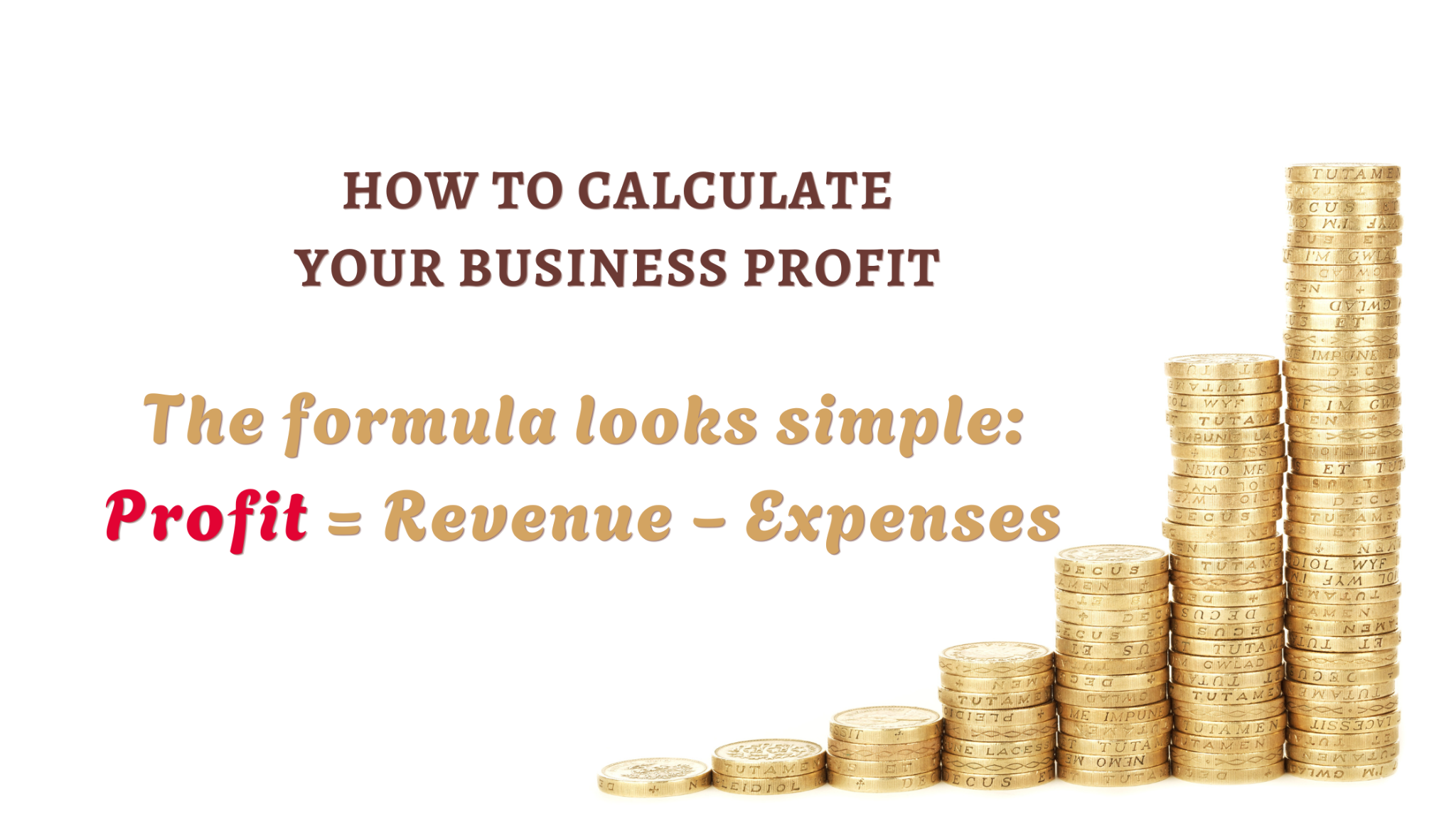
The formula looks simple: Profit = Revenue − Expenses
But despite how simple that formula appears, many entrepreneurs misunderstand what it means in practice.
Let’s imagine your business generates $20,000 in sales this month.
At first glance, you might feel like you’ve made $20,000. After all, that’s the amount that came into the business.
But then reality kicks in.
- You paid suppliers.
- You paid employees.
- You spent money on marketing.
- You paid for software subscriptions.
- You covered transportation and operational expenses.
By the time everything is deducted, your numbers may look very different.
For example:
- Inventory: $8,000
- Salaries: $2,000
- Marketing: $1,000
- Transportation: $1,500
- Software subscriptions: $500
- Utilities and operations: $1,000
Total Expenses: $14,000
Actual Profit: $6,000
The business generated $20,000 in revenue but kept only $6,000.
And that difference is exactly why profit matters. Revenue tells you what came in, and Profit tells you what stayed.
In many ways, profit is the business world’s version of a report card. It reveals whether the business is truly creating value or simply moving money around.
This is one reason investors, accountants, lenders, and experienced entrepreneurs pay so much attention to profitability. Revenue may indicate that a company is attracting customers, but profit indicates whether the business model actually works.
As investor Warren Buffett has often demonstrated through his investments, great businesses are not necessarily the ones generating the most revenue. They are often the ones that consistently turn revenue into profit year after year.
The good news is that profit is not just a number you calculate. It’s also a skill you can improve.
Here are three profit-management skills every entrepreneur should learn.
1. Learn How to Control Costs Without Hurting Value
One of the fastest ways to improve your business’s profits is to learn how to manage costs wisely.
Notice I didn’t say “cut every expense.” Because many entrepreneurs hear the phrase “reduce costs” and immediately start removing things their business actually needs. They stop marketing, delay maintenance, reduce product quality, or underinvest in their team.
That often creates bigger problems later.
Instead, smart entrepreneurs focus on controlling unnecessary costs while protecting the things that create value for customers.
In his book Profit First, Mike Michalowicz explains that many businesses don’t have a sales problem; they have an expense problem. Money comes into the business, but poor spending habits prevent owners from seeing meaningful profits.
A simple question every entrepreneur should regularly ask is, “If I removed this expense tomorrow, would my customer notice?” If the answer is no, it may be worth reviewing.