


“The best marketing is a great product.” — Anonymous “product-first vs marketing-first companies”
In today’s business world, it often looks like the loudest voice wins. Brands with flashy ads, viral TikTok campaigns, or celebrity endorsements seem unstoppable, until they aren’t. Because here’s the truth: marketing can grab attention, but only the product keeps attention.
A product-first company is one that puts most of its energy into making the product as great as possible, with better features, better design, and better performance, believing that if the product is good enough, people will naturally come. On the other hand, a marketing-first company focuses more on creating buzz, telling a compelling story, and getting the product into people’s hands quickly, even if it’s not yet perfect.
The big question is: which one lasts longer? Do people stick with a brand because the product keeps delivering, or because the marketing keeps them hooked? That’s why it’s worth paying attention to which model truly wins.
Today’s blog focuses on the distinction between “product-first vs marketing-first companies” and which outlasts more with real-world business examples.
1. Great Products Sell Themselves (and Keep Selling)
In the late 1990s, Apple faced tough times. Instead of just hiring better marketers, Steve Jobs focused on improving the products. The iMac, iPod, and later the iPhone were not only well-marketed but they were also beautifully designed and engineered.
As a result, Apple became one of the most valuable companies in the world. It spends less on advertising than other competitors or even compared to how valuable its products are, yet it has loyal customers and higher profit margins.
Nvidia provides a strong example in 2025. They do not rely on big ad campaigns to sell their graphics chips. Instead, their GPUs have become essential for the AI boom. From OpenAI’s ChatGPT to Tesla’s self-driving cars, Nvidia’s products are driving this revolution. This success helped their market cap surpass $2.5 trillion in 2024, making them one of the most valuable companies in the world.
The lesson is clear: Marketing can attract customers to try a product, but only a great product will bring them back repeatedly.
Resources:
- Nvidia explores $500 million investment in UK self-driving startup Wayve | Reuters
- Why Apple products inspire loyalty (Harvard Business Review)
2. Marketing Can’t Save a Weak Product
Startups often wonder if they should model themselves after product-first vs marketing-first companies they admire. For instance, Juicero a startup raised $120 million and hired a skilled marketing team to change the juice industry. It launched in March 2016 and operated for 16 months, aiming to promote a healthier lifestyle with its high-tech juicing machine.
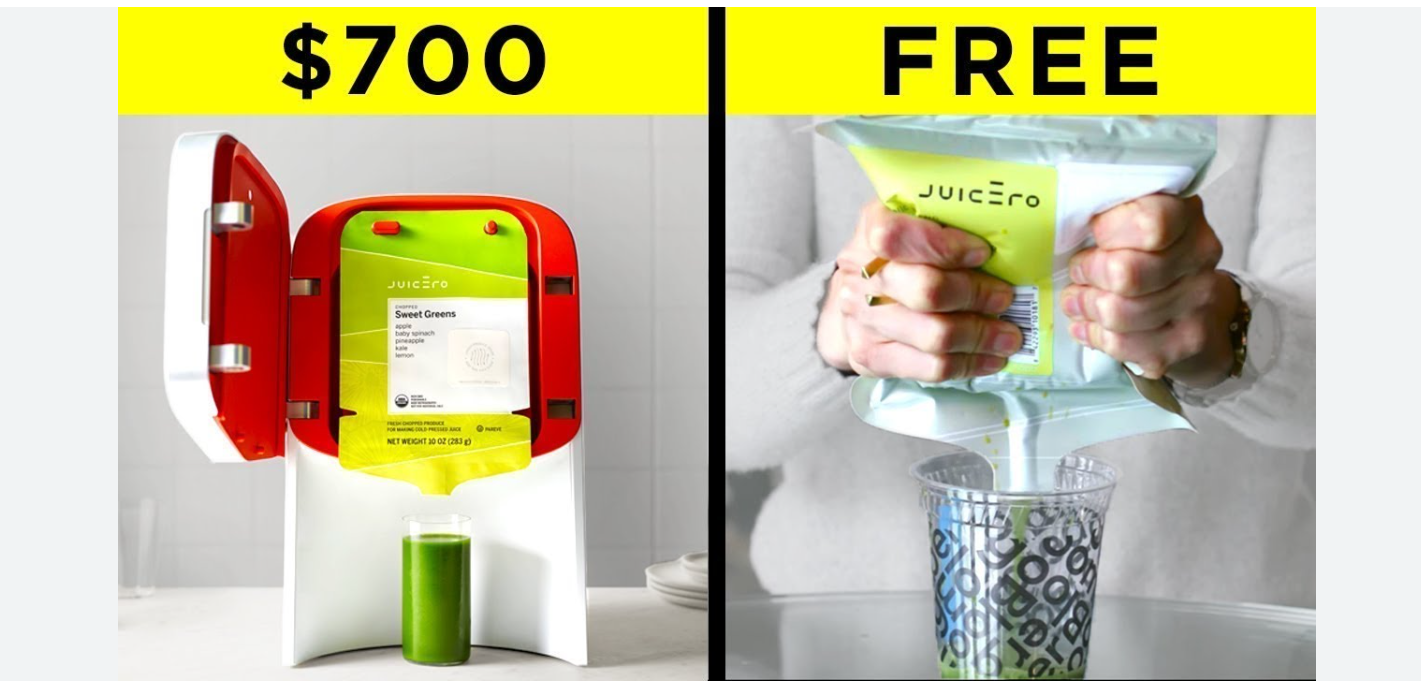
The machine cost $700, and users needed to buy packs of fruits and vegetables for $5 to $8 each. The company received significant funding from notable investors like Google Ventures and Kleiner Perkins Caufield & Byers. It also gained praise from the New York Times.
However, everything changed when a Bloomberg journalist reviewed the machine and found that people could squeeze the juice by hand, saving $700. While the marketing generated excitement, the product failed to meet expectations, and the company ultimately suffered as a result.
OpenAI has succeeded without relying on very expensive advertising by creating innovative products like ChatGPT, DALL·E, and GPT-5. Each of these strong products speaks for itself and demands. OpenAI signed a $300 billion cloud deal with Oracle in 2025 to help support its growth.
This shows a clear lesson: good marketing can create buzz, but a great product is what keeps a company successful. Weak products, no matter how well marketed, tend to fail quickly. Strong products can grow and succeed even with little or no advertising budget.