Imagine buying shares in a Nigerian company as a university student, forgetting about the investment for almost 20 years, then checking your account only to find your ₦9,000 investment is now worth around ₦9,900. You would probably feel cheated, right?
That is exactly the kind of story that can make someone question the entire idea of investing in shares.
A woman recently shared on X about how her husband bought Transcorp shares with ₦9,000 when he was a first-year university student about 20 years ago. When he checked the investment years later, he reportedly found that it was worth only about ₦9,900.
His reaction was understandable: he wished he had used the money to buy beer instead. But this story hides a much bigger financial lesson. The question is not simply, “Why didn’t the shares make him rich?”
The better question is:
What actually happens when you buy shares in a company, hold them for decades, and do nothing else?
To answer this lady’s ponderings, we will use Transnational Corporation Plc, commonly known as Transcorp Group, as an interesting case study.
What happened to Transcorp over the past 20 years?
Transcorp was listed on the Nigerian Stock Exchange in November 2006. According to contemporary reporting, the company listed 18.553 billion shares at ₦6 per share. On its first day of trading, strong demand pushed the closing price to ₦6.30.
At first glance, this seems impressive. A share that traded around ₦6 in 2006 is now around ₦36. That is almost a sixfold increase in the quoted share price. I know you have started calculating what it would have cost to buy ₦10 million worth of shares; that would be about ₦60 million today, right?
But this is where the story gets more complicated, and your excitement might suddenly plummet. You cannot simply compare the ₦6 price from 2006 with today’s ₦36 price and calculate an investor’s actual return.
Why? Because Transcorp has changed its share structure over the years.
Are your employees constantly missing deadlines? The problem may not be laziness. Poor communication and a lack of trust could be affecting your team’s performance.
A business can have talented employees and still struggle to get work done on time. Projects get delayed. Customers become frustrated. Managers spend more time following up. Employees blame one another, and the same problems keep happening.
One common reason is poor communication in the workplace.
This issue was a major assignment in one of my MBA classes: how do we fix communication issues as a manager? The question was simple:
Imagine you are a manager, and your team is missing deadlines because employees are not communicating well with each other. What is the main problem, and what steps would you take to solve it?
At first, the obvious answer might be poor communication. However, poor communication can be a symptom of a deeper problem and in many teams, that deeper problem is a lack of trust.
Why Are Employees Missing Deadlines?
Missing a deadline does not always indicate that an employee is irresponsible. Often, an employee may lack the necessary information to complete the task, misunderstand another team member’s expectations, notice a problem but hesitate to report it, or assume someone else is handling part of the work. Therefore, managers should look beyond the missed deadline and ask the right questions to understand the underlying reasons.
The big question a manager should ask is this: Why did the communication fail?
Several factors can contribute to poor communication within a team, and in today’s article, I will help you identify 5 major causes of poor communication in the workplace and how to address each one.
5 Major Causes of Poor Communication in the Workplace
1. Lack of Clarity
Employees need to understand what they are expected to do. Without clarity, communication is ineffective. Clarity is not what you think you said; it is rather what the person understands you to have said. That means you might need to be more specific about what you are trying to communicate, especially when you are working with a team that is not used to seeing your work.
If a manager says, “Get this done quickly,” different employees may interpret “quickly” differently.
A good manager should clearly communicate:
What needs to be done
Who is responsible
When it should be completed
What standard is expected
What resources are available
Clear expectations reduce unnecessary confusion.
2. Poor Listening Skills
Communication is not only about speaking; it is also about listening. An employee may receive instructions but fail to understand them because they were distracted or did not ask questions. That is why every manager must be patient enough to troubleshoot conversations with their staff. Encourage them to give instant feedback on what they heard you say.
A simple question such as “Can you repeat what you understand the task to be?” can prevent major mistakes.
3. Lack of confidence.
This is where the situation worsens. Employees who do not trust their management or coworkers may be more reluctant to speak out or share information. For example, an employee may see that a project will miss its deadline.
Instead of informing the management, the employee may remain silent because they are terrified of being chastised.
By the time the manager finds out, it may be too late to solve the situation. Trust allows workers to say things like:
“I have difficulty with this work. “I need help.” This type of talk may rescue a project.
4. Inappropriate Communication Channels
Not every message should be communicated through the same channel.
Some businesses depend heavily on WhatsApp groups. Others use email, Slack, Microsoft Teams, project-management software, or face-to-face meetings.
The problem is not necessarily the platform. What matters is that businesses establish clear communication channels for different types of information.
For example:
Urgent issues → phone call or direct message
Formal instructions → email or documented platform
Team updates → team communication channel
Complex issues → meeting or video call
Also, I see some businesses with a mandatory rule that staff must communicate only through certain platforms. While this is necessary in many sensitive departments, for most day-to-day work, managers should encourage direct communication to reduce the bureaucratic feel.
5. Different Communication Styles
Individuals communicate differently. One employee may prefer direct teaching. Another may require further explanation. Some staff talk openly in meetings, while others prefer to share their views discreetly.
Managers must comprehend these distinctions. Good leadership doesn’t require everyone to communicate the same way. It means creating a setting where everyone can communicate successfully.
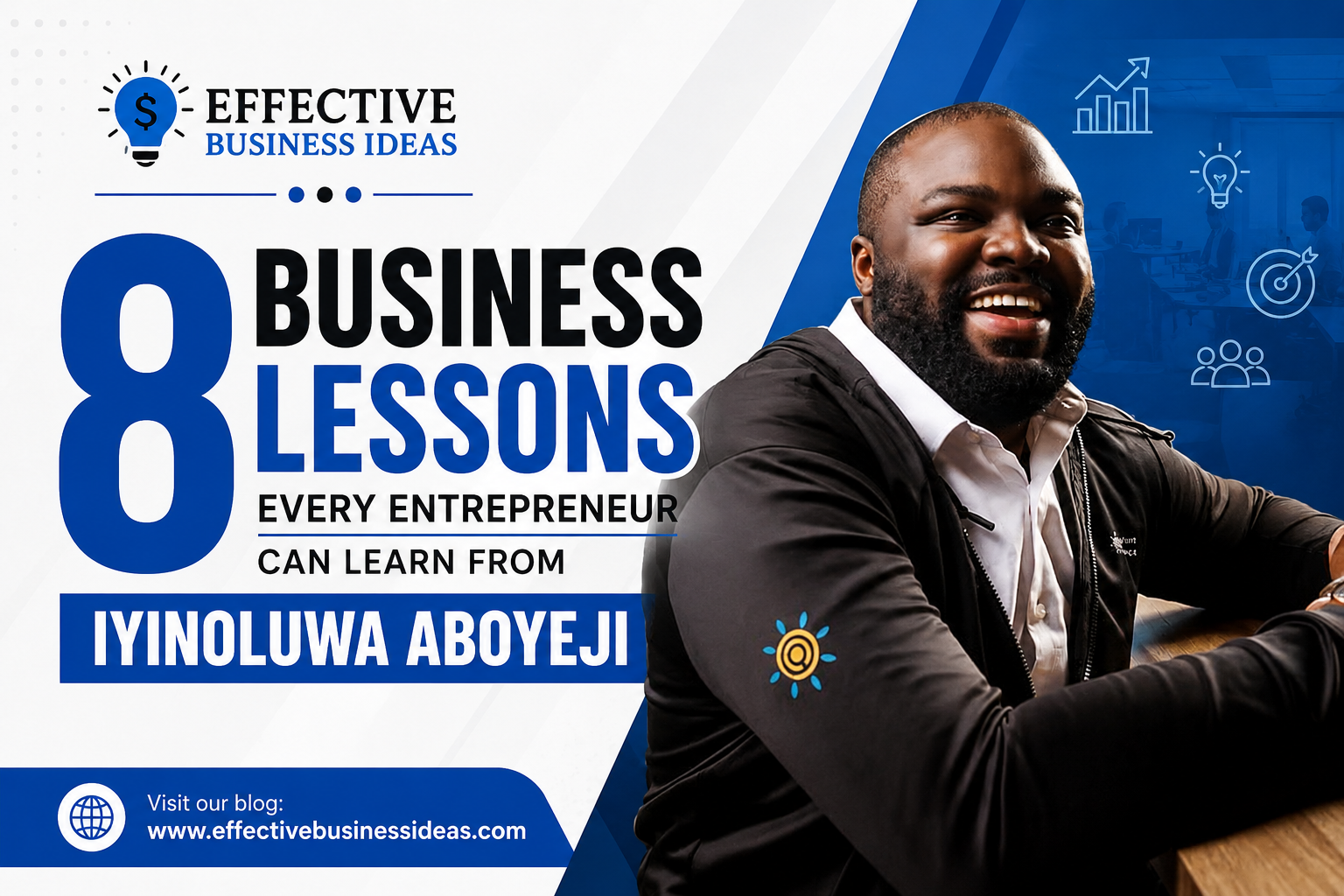
When people talk about African entrepreneurship, names like Aliko Dangote and Tony Elumelu often dominate the conversation. However, as a young person, one would also love to hear some of the most valuable business lessons from Iyinoluwa Aboyeji, which may be just as important for today’s entrepreneurs.
Over the past decade, Aboyeji has quietly helped change how the world views African innovation, becoming one of the most influential startup founders on the continent.
Before the age of 30, he had already co-founded Andela and Flutterwave, two startups that later achieved unicorn status, a term used for privately held companies valued at more than $1 billion. Today, through Future Africa, he continues to invest in and mentor founders building the next generation of African businesses.
He didn’t spend time talking about becoming rich or about himself or his worth. Instead, he spoke about systems.
People.
Trust.
Service.
Long-term thinking.
The more I listened, the more I realised these weren’t just lessons for startup founders looking to build unicorns. They’re lessons every entrepreneur can apply, whether you own a restaurant, run a fashion brand, manage a farm, freelance online, or are building your first business.
So, I did my diligent research, read articles, books, and almost everything I could learn and hear from him too. Below are the biggest business lessons I believe every entrepreneur can learn from Iyinoluwa Aboyeji.
1. Solve Big Problems, Not Small Opportunities
One thing I admire about Iyinoluwa Aboyeji is that he never talks about building unicorns as though that should be the goal.
In several interviews, he has said entrepreneurs should focus on building great businesses and solving real problems. The valuation comes later.
That mindset helps explain the success of companies like Andela and Flutterwave. Andela addressed the challenge of connecting African software talent with global opportunities, while Flutterwave simplified payments across Africa. Both companies focused on problems affecting millions of people.
Many entrepreneurs start with the question “What business can make me money?”
But successful founders often ask “What problem needs solving?”The difference may seem small, but it changes everything.
One of the most interesting moments from the interview came when Iyinoluwa Aboyeji was asked about the secret to building billion-dollar companies.
Many people expect successful founders to talk about working longer hours, sacrificing sleep, or grinding harder than everyone else.
Instead, he pointed to something much more important: “Systems.” This stood out because we live in a culture that glorifies hustle. Everywhere you look, entrepreneurs are being told to wake up earlier, work harder, and keep pushing.
Hard work matters, but hard work alone doesn’t create a scalable business.
Think about it this way. If your business cannot function without you answering every call, approving every payment, solving every problem, and making every decision, then your business is not really growing. It is simply becoming more dependent on you.
That’s why many entrepreneurs end up trapped in the businesses they created.
Successful companies grow because they build systems that allow work to happen consistently. They create processes for customer service, sales, operations, hiring, and communication so the business can continue to run even when the founder steps away.
This is one of the reasons franchises like McDonald’s can operate thousands of locations around the world. Their success isn’t built on finding extraordinary people in every city. It’s built on systems that produce consistent results.
Nigeria consumes about 2.7 million metric tonnes of palm oil annually but produces only about 1.5 million metric tonnes. This leaves a supply gap of more than one million tonnes annually, requiring over $290 million in palm oil imports in 2024 alone.
Think about this for a moment: A country historically known for palm oil is now spending hundreds of millions of dollars to import a product it can produce itself. In the 1960s, Nigeria controlled almost 40% of the global palm oil market. Today, that figure has dropped to less than 2%, even as local demand from households, food processors, manufacturers, and export markets rises.
The Oil Palm opportunity has not disappeared
Nigeria’s fertile Palm Belt remains naturally suited for oil palm cultivation. The challenge has not been whether the land can produce, but rather issues such as poor seedlings, fragmented farming systems, underinvestment, and limited commercial-scale execution.
For investors, this raises an interesting question:
If Nigeria already has demand, suitable land, and a market that depends heavily on imports, could oil palm become one of the overlooked long-term investment opportunities of this decade?
Whether you live in Nigeria, the UK, Canada, the USA, or elsewhere in the diaspora, there are several ways to gain exposure to the oil palm value chain, from plantations and processing to partnerships and structured agricultural investments.
In this guide, we’ll explore the opportunities, startup costs, timelines, risks, and practical ways to enter Nigeria’s oil palm business wisely.
How to Start Investing in Oil Palm Production
For someone in the UK, Canada, or the United States saying, “I want to invest in oil palm. I have seen the market gap and think I can fill my share of the demand. But where do I start planting?” The answer may be simpler than many imagine.
In fact, it may be simple enough that you do not need to leave your location to participate in oil palm farming in Nigeria.
The standard path many take is to secure land, then hire a local manager to run the farm and send monthly reports. While this can work, it often leads to a steeper path to profitability and sustainability than expected. Managing an agricultural business remotely adds complexity: land verification, staffing, supervision, report quality, operational delays, and decision-making across locations and time zones.
For many diaspora investors, the challenge is not always access to capital; it is access to trusted execution.
That is why another route has increasingly gained attention: rather than building entirely from scratch, some investors choose to work with experienced, government-registered oil palm businesses and operators who already understand cultivation cycles, have existing systems, and know what it takes to run productive operations on the ground.
This does not remove the need for due diligence or eliminate risk, but it can reduce some of the early operational hurdles that discourage people from participating in agriculture from abroad.
How Towers Palm is Changing the Oil Palm Investment Space
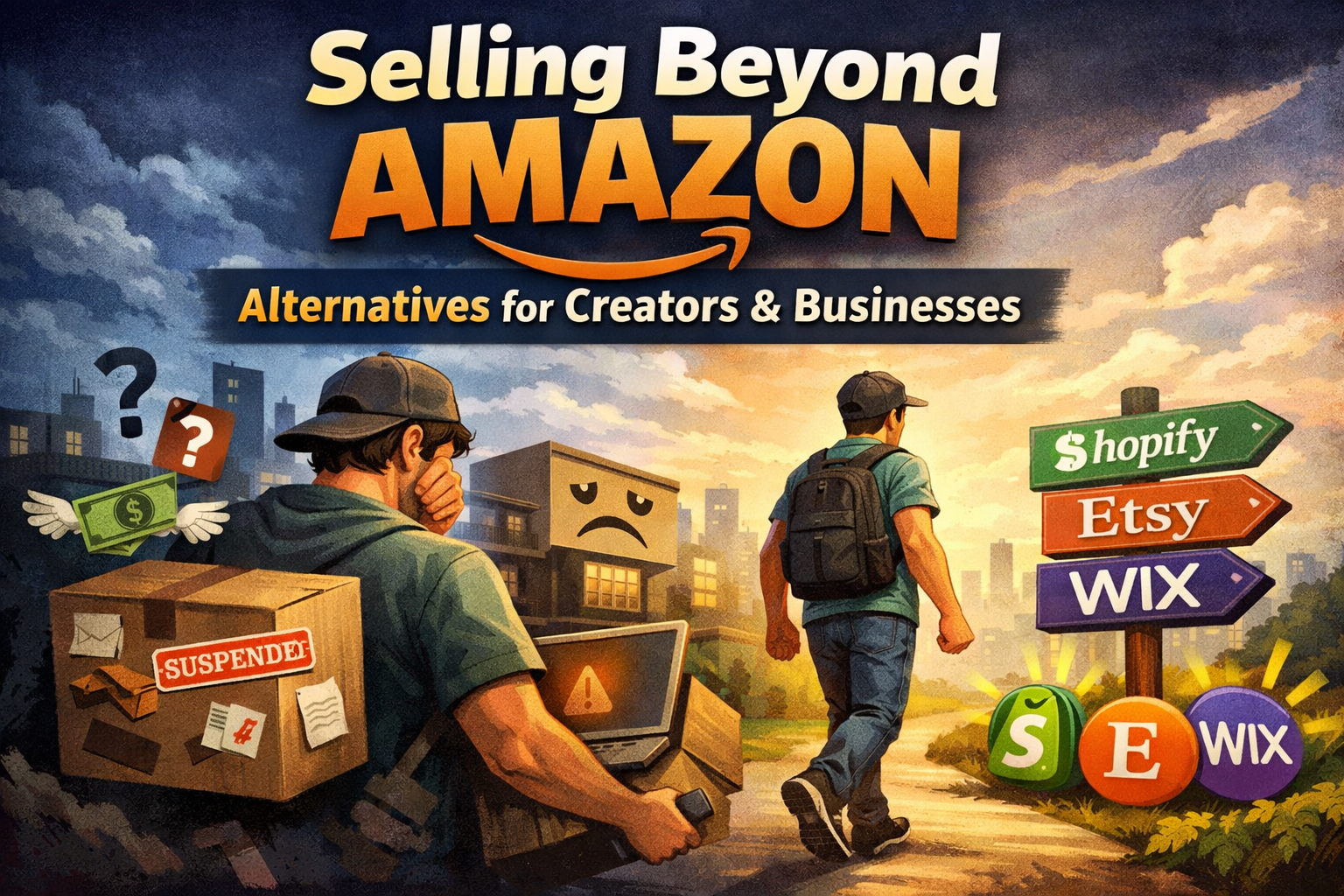
Amazon is the world’s biggest online marketplace, but it still has its flaws. Many creators, entrepreneurs, and small businesses face high fees, intense competition, account restrictions, and limited control over their brand and order fulfilment.
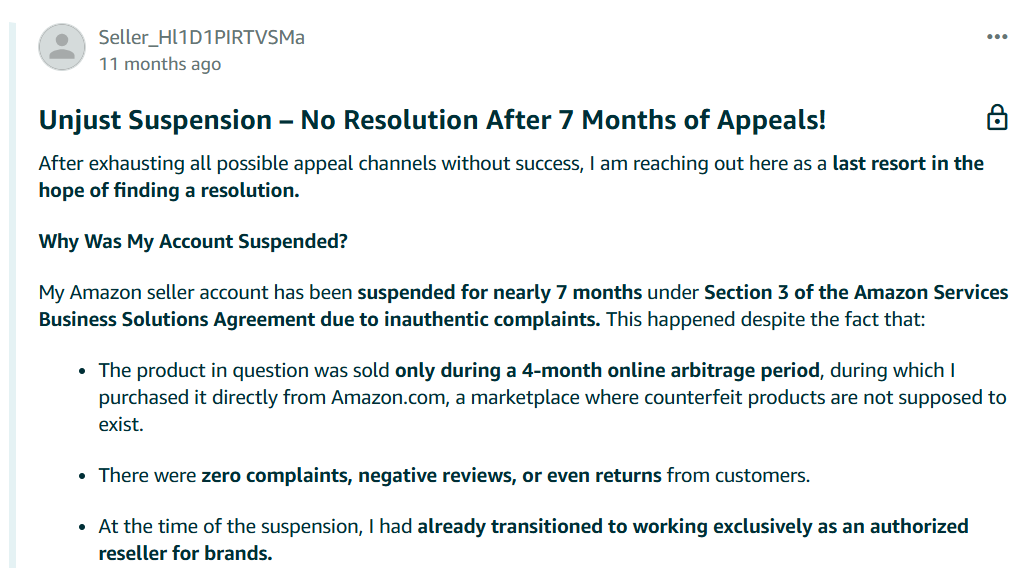
If you have ever used Amazon, you probably know it comes with some regulatory challenges. Sometimes, these issues are hard to understand or explain. I used to sell on Amazon, and it took me over two months to get my first sales processed. When I finally got paid, Amazon had taken almost half of the money. By the time I received my payment, I had lost a lot to various fees, especially since I was not selling in the US.
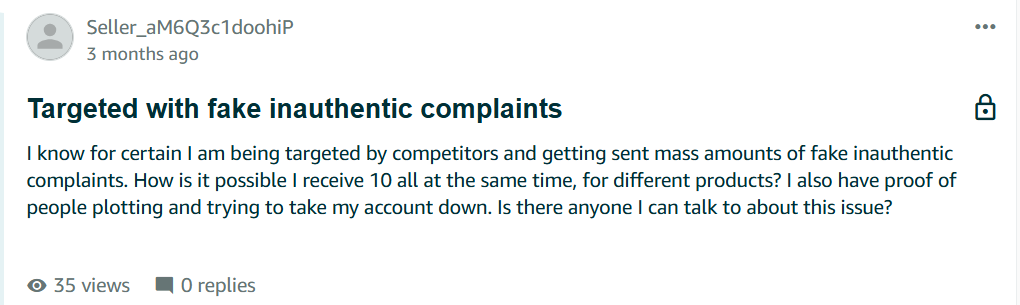
Here are some pictures from other sellers who also could not figure out why their accounts were terminated.
Each day, millions of people go to Google and type in just one word: YouTube, Amazon, Facebook, Gmail, Wordle, or ChatGPT. These searches are not questions or random. They are done on purpose.
In this blog post, I’ll explain what navigational searches are, why these platforms get so many searches, and what this shows about how people use the internet now. If you’re a writer, creator, entrepreneur, or digital leader, knowing this can help you put your content where people are already looking.
What Does “Navigational Search” Mean?
A navigational search is when someone already knows where they want to go and uses a search engine to reach that site more quickly.
Examples:
For example, typing ‘YouTube’ to go to youtube.com.
Or typing ‘Amazon’ when you want to shop online.
Or typing ‘Gmail’ to check your email.
The goal here isn’t to learn anything new, but simply to access a specific site.
Why Navigational Searches Matter
Navigational searches reveal the following trends:
Platforms are becoming dominant in their fields.
People are placing more trust in certain brands.
Users are forming habits around these platforms.
There is a growing dependency on digital ecosystems.
When millions of people keep searching for the same platform by name, it shows that the platform is now seen as a utility rather than just a regular website.
Let’s get to see the platforms with Crazy Numbers
1. YouTube: 185 Million Navigational Searches in Jan 2026
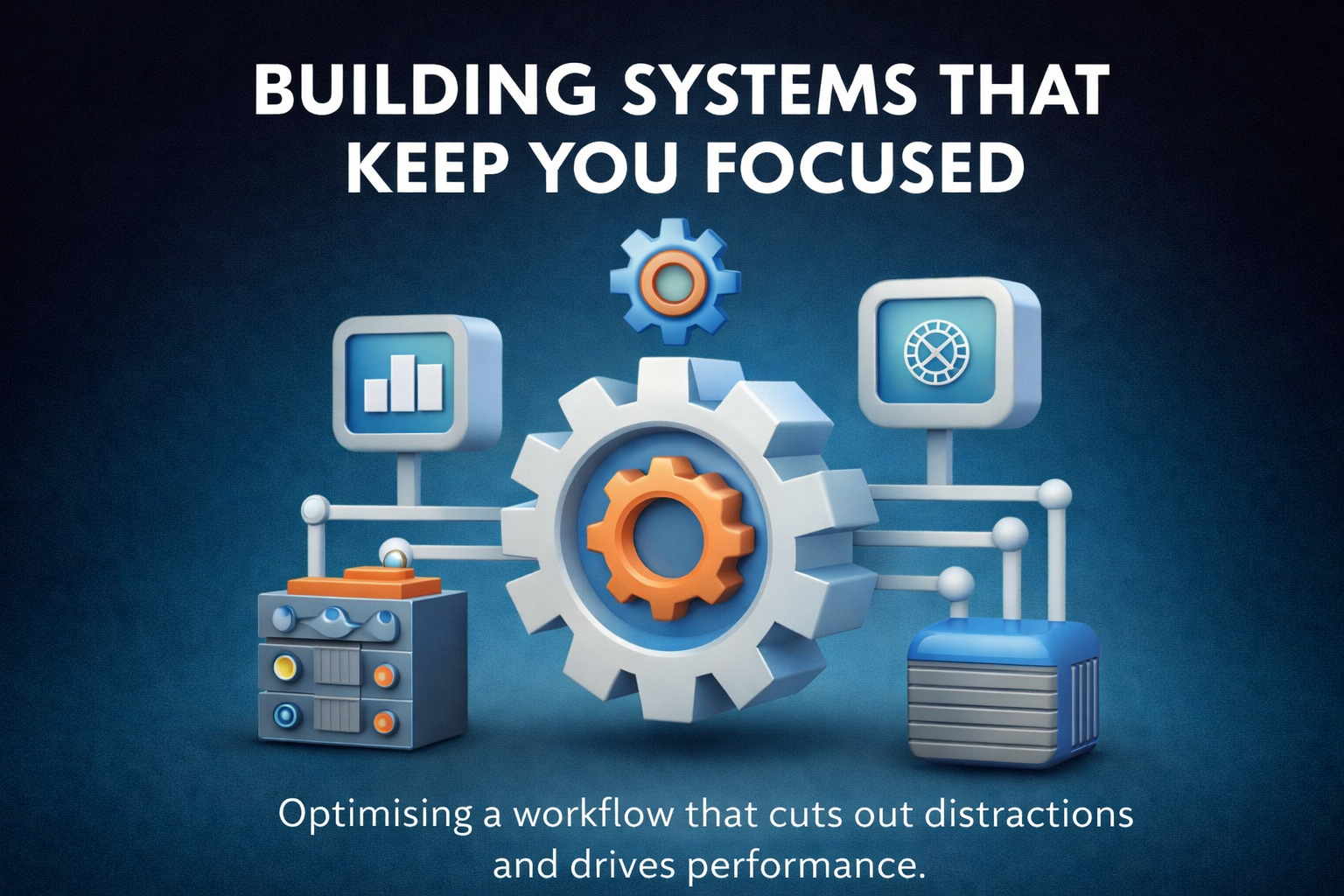
If you have been following this series since the first part; I can almost be certain that you are already set for the year 2026 or for the remaining part of the year. In this part, we will consider the habit of building Systems that Protect Focus Daily. So, let’s recap;
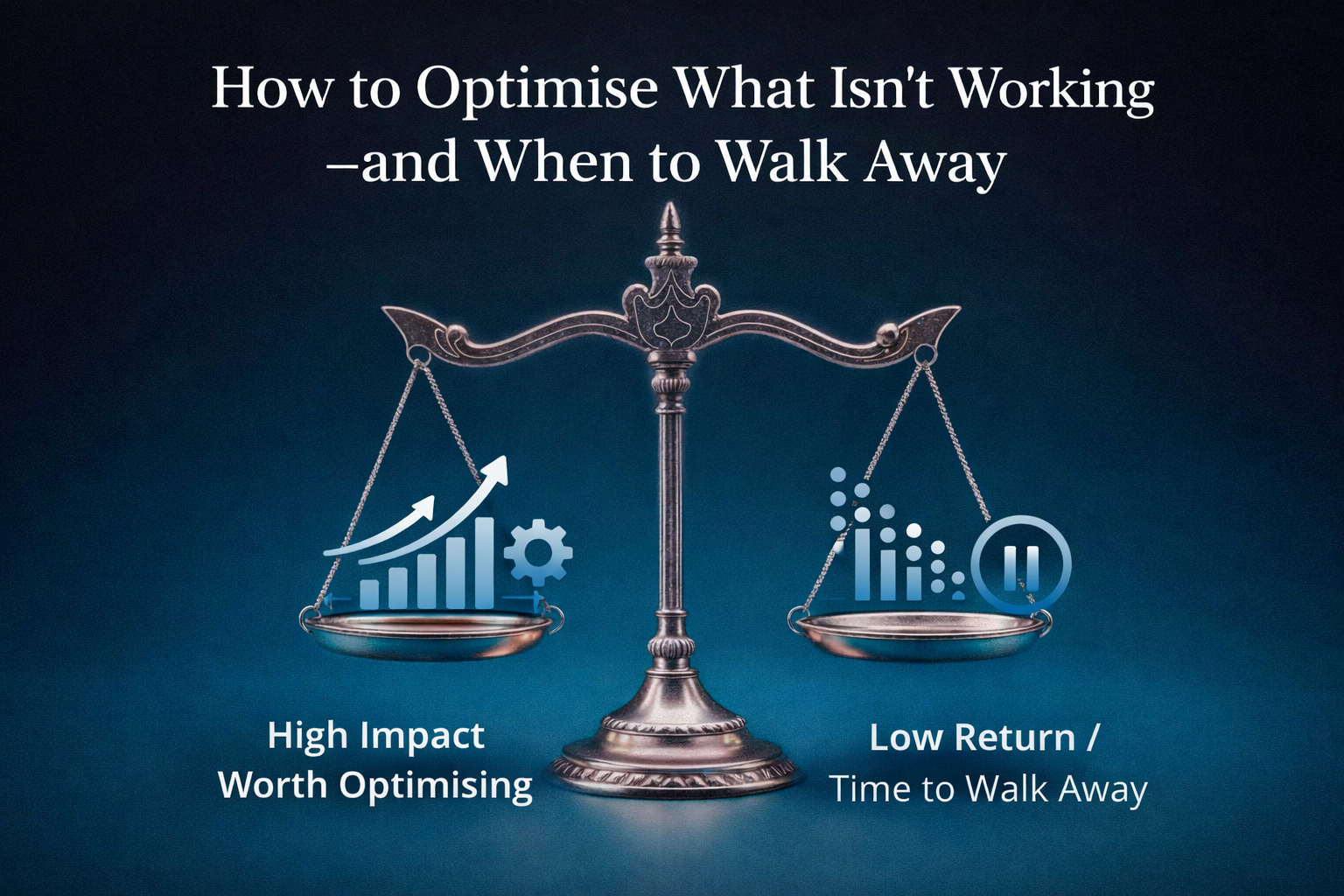
In Part 1: I established that focus is no longer optional in 2026. In Part 2: I dived deeper into why effort without results is a dangerous illusion. In Part 3: I explained the hard part of decision making: what to optimize, what to let go of, and when persistence becomes a liability.
In this final section, I’ll address the most essential issue of all: how can you maintain focus on a daily basis so that progress becomes normal rather than exhausting? Clarity without processes fades, and concentrate without structure finally collapses.
Willpower is fickle, and motivation changes. When life interrupts and your attention is heavily influenced by how you feel each day, your objectives will never be realised. In 2026, those with the greatest systems will be more effective than those with the strongest discipline. Systems alleviate decision fatigue, conserve energy, and make consistency automatic.
What, then, is a system? It is a choice or a sequence of decisions that, once taken, do not need to be made again.
Not everything that isn’t working deserves to be abandoned. And not everything that appears to be providing results should be preserved. One of the most difficult focal selections in 2026 will be determining what needs to be optimised and what needs to be eliminated. Many people either quit too soon or stay too long, both of which stifle advancement. Why? Because focus is more than just persistence; it is also about judgment.
In Part 1 of this series, we established a hard truth: in 2026, focus is no longer optional. With rising noise, shrinking attention spans, and endless opportunities, only those who learn to prioritise what truly matters will experience meaningful progress.
In Part 2, we went a step further. We confronted one of the most dangerous illusions of productivity—effort without results. We saw why tracking outcomes rather than busyness is the new standard and why focus must always be measured by results, not merely by exhaustive labour.
In Part 1, we went through FOCUS as an essential success key in 2026 and how the Eisenhower Principle might help us distinguish between significance and urgency. But it’s only half the job to know what to concentrate on. The true change occurs when we begin assessing result producing tasks rather than how busy we are.
Many individuals are worn out by working a lot yet accomplishing very little in a society where effort is evident, but effect is not always clear. For this reason, tracking results is the genuine measure of focus, which is the new currency.
In this second part of the series, we will examine why the mind shift that will determine your success in 2026 is to focus on Result generating efforts rather than general effort.
Effort is good, but the result is great. That is the phrase that will keep you working in 2026; avoid the trap of ineffective attempts. Many people have grown accustomed to futile attempts to defend their failure to attain their objectives. By discussing their efforts, they make it impossible for them to assess the situation objectively. Every entrepreneur, leader, or individual seeking extreme success must adopt this mindset.
“Effort is good, but the result is great”
Why Effort Is a Poor Metric in 2026
Effort feels wonderful because it’s obvious. You can see yourself working. Others can observe you working. It creates the illusion of momentum. However, hard work alone does not always lead to results.
In 2026, technologies like AI, automation, and other digital leverage will enable ten minutes of focused action to outperform ten hours of fragmented labour. People who understand leverage consistently surpass those who merely understand hard labour. This is why simply assessing effort is problematic. It rewards motion rather than direction. It keeps you occupied without making you productive.
The actual question is no longer, “How hard did I work?”
The question is: “What changed because I worked?”
Results are honest. They reveal what works and doesn’t. They remove emotional attachment to activities and force you to confront reality. When you track results, you start to notice patterns: Which behaviours cause growth?
Results also help you to see which habits contribute to momentum, and which tasks consume time without providing value. Clear feedback improves focus. Instead of guessing, you begin making informed selections. You stop romanticising the effort and start pursuing outcomes. This move alone has the potential to transform productivity, income, creativity, and peace of mind.