


Some people view poverty in a positive light, but living in lack is something to dislike with all your strength. And, if you’ve ever needed a small amount of cash to fix a problem urgently and didn’t have it, and you are not the type of person who likes to burden others with your issues, you can relate to this list of books that will make you instantly hate poverty and want to work smarter.
Hating poverty means getting so tired of scarcity thinking, excuses, and just‑enough living that you decide: “I won’t live like this again.”
And what does it mean to work smarter? It means understanding how wealth truly works, knowing yourself better, and using practical methods to gain absolute freedom instead of just hustling harder.
The five books I’ll share will make you strongly dislike poverty and inspire you to work smarter. These are not quick-fix guides to getting rich. Instead, they shift your mindset. They help you see poverty not just as a lack of money, but as a way of thinking that traps you. They also show you more innovative ways to escape that mindset.
1. Rich Dad Poor Dad by Robert Kiyosaki: A Must-Read Book to Escape Poverty
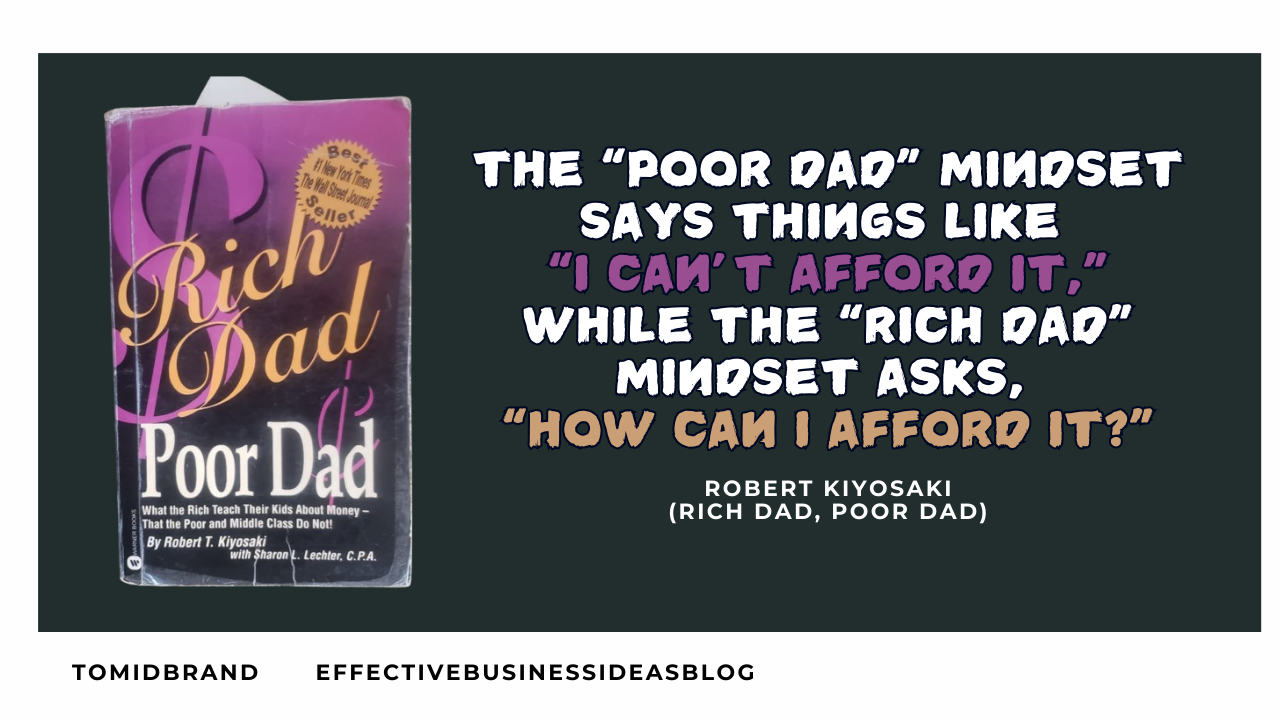
Do you really care about wealth if you haven’t read this book?
I thought I understood money until I read Rich Dad Poor Dad. This book forced me to confront the difference between “working for money” and “making money work for you.” Robert Kiyosaki tells the story of growing up with two father figures: one highly educated but always broke, and the other, a father who never finished eighth grade but is financially free. The big lesson? Poverty is first a mindset before it shows in your bank account. The “Poor Dad” mindset says things like “I can’t afford it,” while the “Rich Dad” mindset asks, “How can I afford it?”
It provided better insights into how the poor and middle class become trapped in a cycle of jobs, bills, and debt, while the wealthy focus on assets, investments, and financial literacy. After closing the book, I couldn’t imagine being comfortable with the lack anymore.
Schools prepare you to work for others, but rarely teach you to achieve financial independence.
The biggest punch for me was the idea of how school really prepares you to work for others and that made more sense to me, because I am just few days to completing my Master’s project defense and felt like I had spent so much as regards to time, finances and resources on getting this degree, and still wake up clueless on how to be financially free and at least have money consistently coming in for me.
The book explains why simply working harder or chasing promotions will never lead to genuine wealth. Instead, focus on building assets and making money work for you. After reading it, you’ll never see your 9–5 job the same way again. It forces you to think beyond salaries and start aiming for financial freedom.
You can find Rich Dad Poor Dad on Amazon or read more about financial literacy here: Financial Literacy: What It Is, and Why It Is So Important.
2. Think and Grow Rich by Napoleon Hill
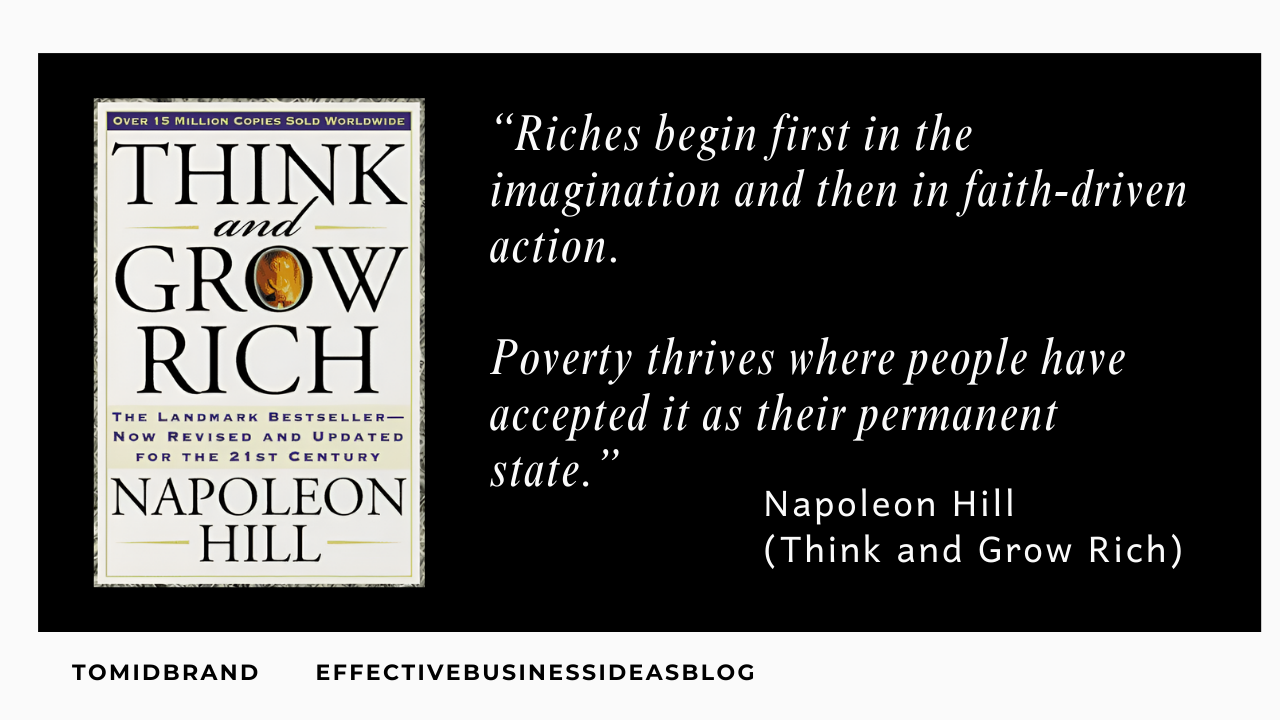
Napoleon Hill’s book forces you to confront what’s really standing between you and wealth: your own mind. The greatest lesson I took from Think and Grow Rich is that riches begin first in the imagination and then in faith-driven action. Poverty thrives where people have accepted it as their permanent state, but wealth begins where people dare to picture more and act like it’s possible.
He breaks down wealth-building into timeless principles, desire, faith, persistence, imagination, decision-making, and the power of the “mastermind.” For me, the most striking part was how he insists that definiteness of purpose separates the rich from the poor. Poor people dabble, the wealthy commit. Poverty is scattered energy. After reading, I couldn’t see poverty as “just the way things are” anymore; I began to see it as a defeated mindset.