The crypto industry is changing quickly, and so is the way people find out about it. TikTok marketing is driving crypto adoption, and many experts are surprised.
A few years ago, getting into crypto meant reading complicated whitepapers, joining technical forums, or trying to break into expert-only communities. Now, it’s much easier and more interesting to get started.
TikTok is changing the way people learn about, interact with, and invest in digital assets. It’s helping crypto brands link with new users.
If your business wants to grow, understanding TikTok crypto marketing isn’t merely a nice-to-have. It’s a must.
What Is Crypto Adoption and Why It Matters
Before we go further, let’s break down an important idea.
Crypto adoption refers to how many people and businesses are actually using cryptocurrencies and blockchain technology. The more people use it, the more mainstream crypto gets.
By 2026, it’s not just developers driving adoption anymore. Everyday users are leading the way. And where are these users spending their time? Over TikTok.
TikTok has more than a billion users worldwide, making it a top place to spot new trends, including financial ones. (TikTok User Statistics and Facts (2025), 2025)
That’s why it’s now one of the best ways for crypto brands to grow.
Not every brand can afford to let its product “sell itself.” Some industries are so competitive, or their products so similar, that the only way to stand out is through strategic advertising. That’s why even in 2025, we still see giant businesses like Coca-Cola, Apple, and Amazon spending billions on ads. This question of why do companies still rely on ads? It will be revealed today.
As flashy as product-led marketing sounds, sometimes the old-school advertising, ranging from billboards, television ads, radio, large-frame video ads, displays, and social media advertising, including UGC, Influencer marketing, platform ads, and campaigns, is the engine that keeps growth alive. In this blog post, you get to understand why with well-proven business examples, so that you can better understand this topic.
1. Coca-Cola: Staying on Top Through Constant Visibility
Coca-Cola doesn’t need to introduce itself. Everyone knows Coke. Yet, the brand still spends hundreds of millions on advertising every year, and you might wonder why. It’s because of visibility, with the desire always to be the first option in the minds of their customers.
In 2024, Coca-Cola’s U.S. media spend increased to approximately $785 million, up from around $610 million in 2023. That’s not small change; it shows the company believes staying present in the minds of consumers requires consistent investment.
Coca-Cola Instagram Page
According to reports, Coke has also shifted its strategy dramatically, while less than 30% of its ad spend went to digital in 2019, today, about 60–65% of its global marketing mix is digital.
This means Coca-Cola isn’t just plastering billboards anymore. They’ve built a global marketing ecosystem called Studio Xto churn out faster, more targeted content across digital platforms.
And the storytelling remains the same: Coke isn’t just selling soda; it’s selling happiness, culture, and moments. Campaigns like “Share a Coke” or global sponsorships, such as the FIFAWorldCup, and stadium advertising, which has been ongoing since 1950.
In short, Coke isn’t just selling soda, it’s selling a feeling. And advertisements are one of the key ways it reinforces that feeling daily.
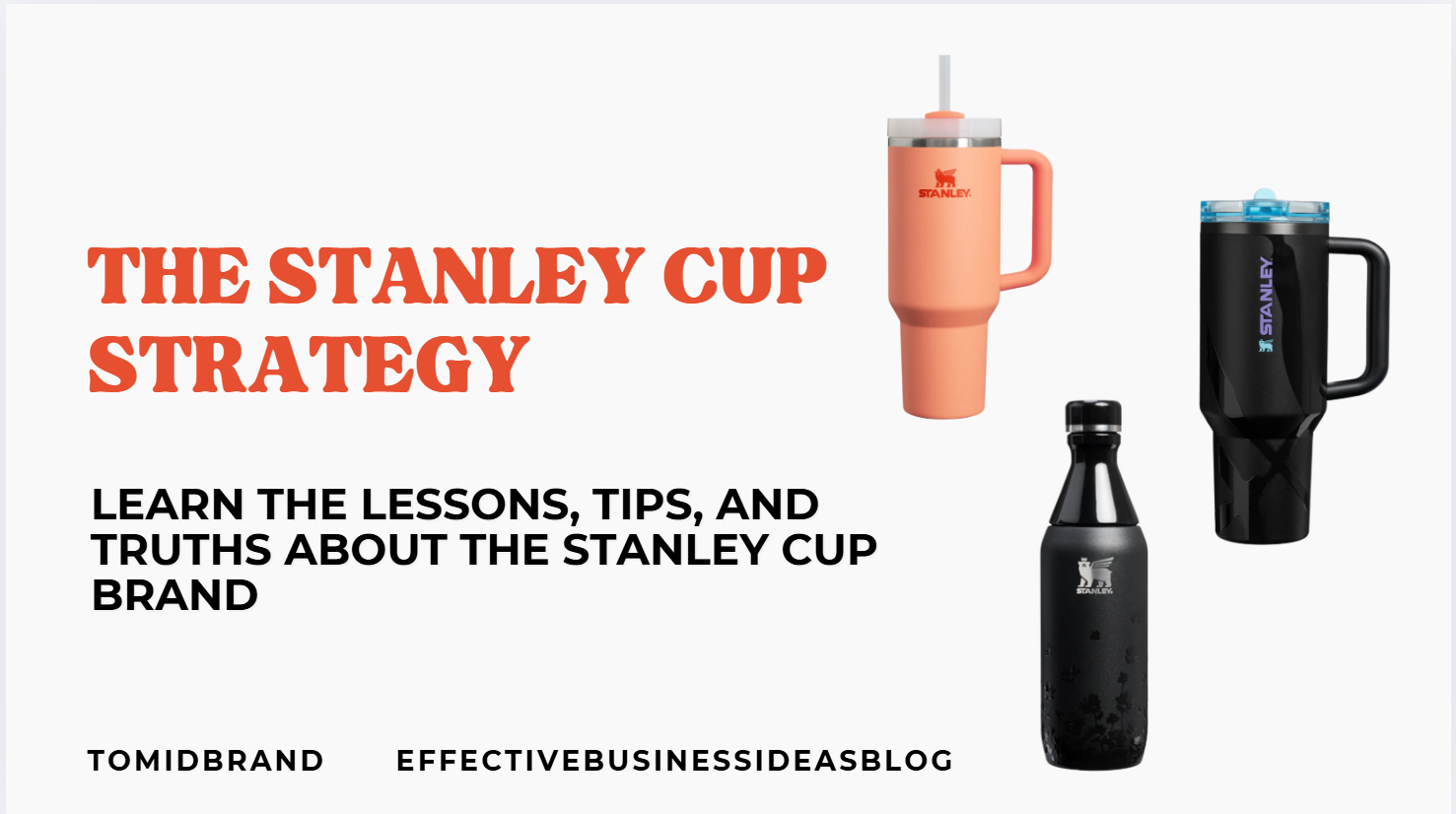
The Stanley Quencher tumbler is more than just a water bottle, it has become a popular item and a great example of how a 100-year-old brand turned into a billion-dollar business almost overnight. We are also looking into the Stanley Cup strategy.
Although the Stanley brand has existed since 1913, the Quencher cup only gained popularity in 2022-2023. During this time, TikTok trends, influencer posts, and limited-edition releases turned this simple cup into a viral status symbol.
The 40-ounce tumbler costs about $45 to $55, depending on your choice and comes in 11 bright colours, along with some limited-edition shades. It has a lid with a removable straw, a handle, and an insulated body that fits in cup holders. This tumbler works for both hot and cold drinks and has become a fashion statement for many, including Gen Z, millennials, mothers, and influencers.
During its rise, Stanley’s revenue increased from approximately $70 million to $ 90 million in 2019-2020 and then to $750 million in 2023, primarily due to the Quencher line. With billions of views on hashtags like #StanleyCup and stories of tumblers that survived car fires while still holding ice, the product gained immense popularity.
However, the excitement around the Quencher has reduced. While Stanley still does well, the “craze” isn’t as strong in 2025 as it once was. This popularity. Sales, marketing, and the buzz around Stanley products teach brands, businesses, and inspiring individuals valuable lessons worth discussing in this blog post.
1. Lesson One: Be Ready Before You Go Viral
Going viral sounds fun, but it can break a business if you’re not ready. Stanley’s big win was that they didn’t just ride the wave, they prepared for it. They ramped up production, partnered with retailers like Target, and dropped limited editions that kept fans hungry for more.
That’s why they could meet the massive demand without collapsing. A lesson for small businesses? If you’re aiming for a viral moment on TikTok or Instagram, you must think ahead:
Can your supply chain handle it?
Do you have enough stock?
Are you ready to scale fast if orders triple overnight?
Because going viral is only half the battle, the real win is turning hype into revenue, just as Stanley did when they sold millions of tumblers in a matter of months.
“The best marketing is a great product.” — Anonymous “product-first vs marketing-first companies”
In today’s business world, it often looks like the loudest voice wins. Brands with flashy ads, viral TikTok campaigns, or celebrity endorsements seem unstoppable, until they aren’t. Because here’s the truth: marketing can grab attention, but only the product keeps attention.
A product-first company is one that puts most of its energy into making the product as great as possible, with better features, better design, and better performance, believing that if the product is good enough, people will naturally come. On the other hand, a marketing-first company focuses more on creating buzz, telling a compelling story, and getting the product into people’s hands quickly, even if it’s not yet perfect.
The big question is: which one lasts longer? Do people stick with a brand because the product keeps delivering, or because the marketing keeps them hooked? That’s why it’s worth paying attention to which model truly wins.
Today’s blog focuses on the distinction between “product-first vs marketing-first companies” and which outlasts more with real-world business examples.
1. Great Products Sell Themselves (and Keep Selling)
In the late 1990s, Apple faced tough times. Instead of just hiring better marketers, Steve Jobs focused on improving the products. The iMac, iPod, and later the iPhone were not only well-marketed but they were also beautifully designed and engineered.
As a result, Apple became one of the most valuable companies in the world. It spends less on advertising than other competitors or even compared to how valuable its products are, yet it has loyal customers and higher profit margins.
Nvidia provides a strong example in 2025. They do not rely on big ad campaigns to sell their graphics chips. Instead, their GPUs have become essential for the AI boom. From OpenAI’s ChatGPT to Tesla’s self-driving cars, Nvidia’s products are driving this revolution. This success helped their market cap surpass $2.5 trillion in 2024, making them one of the most valuable companies in the world.
The lesson is clear: Marketing can attract customers to try a product, but only a great product will bring them back repeatedly.
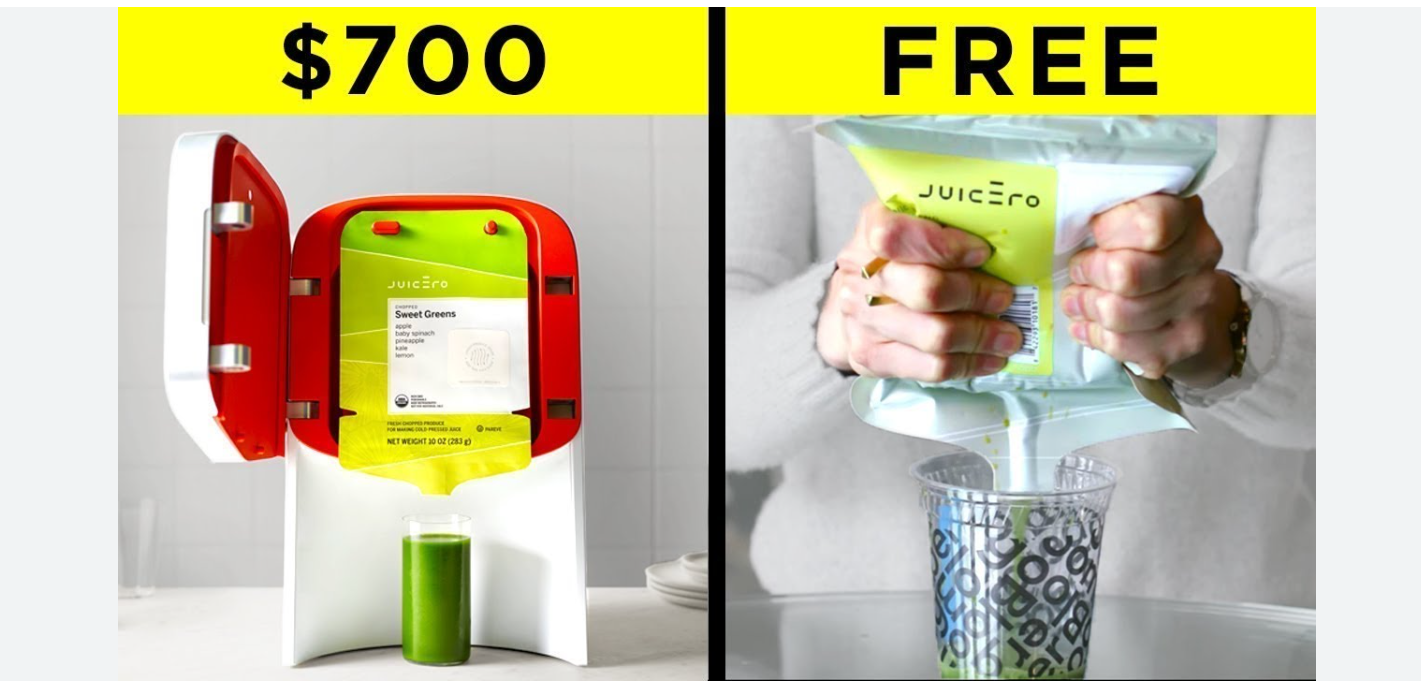
Startups often wonder if they should model themselves after product-first vs marketing-first companies they admire. For instance, Juicero a startup raised $120 million and hired a skilled marketing team to change the juice industry. It launched in March 2016 and operated for 16 months, aiming to promote a healthier lifestyle with its high-tech juicing machine.
The machine cost $700, and users needed to buy packs of fruits and vegetables for $5 to $8 each. The company received significant funding from notable investors like Google Ventures and Kleiner Perkins Caufield & Byers. It also gained praise from the New York Times.
However, everything changed when a Bloomberg journalist reviewed the machine and found that people could squeeze the juice by hand, saving $700. While the marketing generated excitement, the product failed to meet expectations, and the company ultimately suffered as a result.
OpenAI has succeeded without relying on very expensive advertising by creating innovative products like ChatGPT, DALL·E, and GPT-5. Each of these strong products speaks for itself and demands. OpenAI signed a $300 billion cloud deal with Oracle in 2025 to help support its growth.
This shows a clear lesson: good marketing can create buzz, but a great product is what keeps a company successful. Weak products, no matter how well marketed, tend to fail quickly. Strong products can grow and succeed even with little or no advertising budget.
When Temu launched in the U.S. in 2022, not many people knew what it was or where it came from. We never anticipated that we would later be discussing “business lessons from Temu” as we are now. However, within just a few months, particularly between 2024 and 2025, it emerged as one of the most downloaded shopping apps in the country, gaining popularity in both developed and developing nations.
We saw how the brand practically exploded on platforms like TikTok, YouTube, and Instagram with eye-catching ads offering ridiculously cheap prices and the tagline: “Shop like a billionaire.” You probably saw it yourself and wondered, how are they doing this?
The truth is, Temu didn’t get lucky, they had a clear plan. Backed by Chinese e-commerce giant Pinduoduo, Temu combined bold pricing, aggressive marketing, and deep knowledge of consumer psychology to disrupt the online retail game.
So, if you’re running a business, whether it’s a small product brand, a service-based business, or a tech startup, there’s something to learn from how Temu pulled this off, and we talked about it in this blog post.
7 business lessons from Temu:
1. Make Your Value Proposition Instantly Clear
Temu made a smart choice by clearly showing its value from the start. The phrase “Shop like a billionaire” sounds fun, but it shares an important idea. It tells customers they are not just buying products; they are having an experience that makes them feel wealthy without spending a lot. Temu offers a wide range of products, including clothing, kitchen items, and accessories, all at low prices.
Many small businesses do not have this clarity. Some websites use vague phrases like “we create meaningful experiences” or “we empower your goals,” which can confuse customers about what they really offer.
The key takeaway is that your value proposition should meet your customers’ needs or desires directly. Ask yourself: Can a new visitor understand what I offer in less than five seconds? For example, if you run a skincare brand, instead of saying “Radiance for every skin,” you could say, “Fade dark spots in 2 weeks, naturally.” This clear message can help your business grow like Temu.
I have been helping business owners leverage the growing power of social media to expand their businesses. There’s no doubt that the space is heavily saturated with users. Every like, comment, share, or retweet is more than just a click; it is the fingerprint of an actual human being. This is why I asked ChatGPT to generate a prompt for content ideas across five business niches.
Ideation is a profoundly complex process, and to make matters worse, it is not the primary goal of the business owner. Therefore, it is not wise to spend all their time creating content ideas while neglecting to upgrade their products or services. That is why I have asked ChatGPT to generate a prompt that works independently, using a variety of general business templates as a basis for what to expect.
The Amazing Ingredient for Captivating Your Audience
When you have a product or service, you possess value that can be exchanged for money. However, the next question is: how do you convey that value to a receptive audience? Most of us have encountered situations where we felt obscure and believed there was no demand for the services we wish to offer to those who need them. The transformative power of the content creation business is the key to unlocking this potential.
The feeling of being incapable can be overwhelming. Nevertheless, by taking this simple initiative that I am about to share, you can witness your business take an extraordinary leap. The secret is ensuring that you are not left behind in the content creation business.
Let’s get to Numbers: Content creation 101
It is infinitely mindblowing when you realise the number of people using social media networks in a day. Facebook, YouTube, Instagram and TikTok all have daily and active users in the billions. I asked ChatGPT to provide me with a list of active users across social media, and the numbers are astonishingly large.
Media and news coverage have always been integral to building and reinforcing a brand’s quality, and like never before, content marketing has emerged as a major tool in determining the success of a brand or business. However, the effectiveness of content marketing is directly linked to developing the right content marketing strategy that aligns with your business’s core values and goals while resonating with your target audience. This comprehensive blog post guide reveals the essential steps to creating an outstanding content marketing strategy.
1. Let’s Define Your Objectives
Set specific, quantifiable objectives for your content marketing campaigns first. These goals will direct your approach and serve as success criteria. Typical objectives include:
Increasing Brand Exposure: Reach audiences and customers you have not reached before and create awareness targeted at them.
Generating Leads: drawing potential clients to your sales funnel.
Driving Website Traffic: Increase the number of visitors and get them to opt for a newsletter.
EnhancingEngagement: Fostering interactions like comments, shares, and likes.
EnhancingCustomerRetention: Cultivating relationships to maintain existing customer involvement.
Establishing clear objectives is essential for creating impactful content that serves a distinct purpose and aligns seamlessly with your broader business goals.
Crowdfunding is a way to raise money by collecting small amounts from many people, usually online. It connects individuals, entrepreneurs, and organisations with supporters or investors through social media and crowdfunding websites.
This method allows people to support business ideas, creative projects, or personal needs like medical bills and education. Crowdfunding started in 1997 when a UK music group raised money from fans to fund a concert. Since then, crowdfunding has become a multibillion-dollar industry, giving businesses a chance to find funding beyond personal savings or venture capital.
Crowdfunding helps entrepreneurs share their ideas online and encourages support through social networks. Whether funding a startup or helping someone with a personal dream, crowdfunding brings people together to achieve important goals.
Marketing is what makes any business succeed and stay ahead of the competition. As Milan Kundera said, “Business has only two functions: marketing and innovation.” The idea behind this is that when a business stops strategic marketing and innovation, even its best products begin to fade into obscurity.
What if I break the news to you that these five marketing moves are ones every successful business owner relies on to 10x their growth. In this post, we’ll uncover the tried-and-true strategies that fuel business expansion and how you can start using them to 10x your growth.
Before we go further
One of the biggest barriers to achieving 10x growth is starting with the wrong business idea. Validating your business idea early on helps gain traction and ensures that your efforts will pay off. We’ve got a post that covers Business Idea Validation to Prevent First-Year Failures.
5 Proven Marketing Moves:
1. Reach: Connect with Your Ideal Audience
As Beth Comstock’s insightful quote: Whether B2B or B2C, I believe passionately that good marketing essentials are the same. We all are emotional beings looking for relevance, context, and connection. – Beth Comstock
One thing you should know about businesses that do well is that they always want to be “the first option” in their customers’ minds. This connection is not just about visibility; it’s about speaking directly to their needs and desires. For instance, when most people think of a pet drink, Coca-Cola often comes to mind first. That’s the power of strategic reach.
Coca-Cola was founded in 1892 and has been a leading brand for over 130 years, even with many competitors. Pepsi, established just six years later, has become Coca-Cola’s main rival. This long-lasting competition teaches an important lesson: aspire for your brand to be the best.