In 2026, the most focused people will be the most successful, not the busiest. The world is getting louder and more demanding, but many people are still tired, confused, and stuck. The result shows the painful but simple truth that being distracted is worse than failing. The real deal is this: you can win by doing less.
Success will favour those who consistently, intentionally, and without apology focus on doing the right things, optimising where necessary, and getting rid of things that drain their energy without results. This will make focus a matter of survival, and those who master the Eisenhower Principle will find momentum, clarity, and peace in the coming year.
Let’s do a 2025 RECAP
In 2025, I participated in a variety of programs, activities, and projects. However, I rapidly realised that all I needed to do was double down on a few specific tasks and give them my undivided attention, as you can imagine. Those ventures proved to be my most successful.
Even with investing, diversification was beneficial; nevertheless, if I had doubled down on a few projects that I was really confident in and simply invested more money in them, I would have had tremendous success. I know of a project that literally produced a ten times return. If I had just doubled down on projects like that, you can imagine what it would have done to my portfolio.
Why Focus Matters More in 2026 Than Any Other Year
Running a business is exciting, but it can also be confusing, especially when the numbers in your sales report don’t match the reality in your bank account. Many entrepreneurs around the world experience this, where the books say the business is doing well, yet the account balance is struggling to stay afloat. Whether you’re running a fish farm, selling fashion pieces online, baking pastries, or building a tech startup, you’ve probably had moments where the figures look promising but the cash simply isn’t there. And, that’s why you need to understand what cashflow and profit means.
Cashflow and profit sound similar, they are both important, but they perform completely different roles in determining the health of your business. A lot of small businesses collapse not because they were not profitable, but because their cashflow was mismanaged or ignored. As Warren Buffett once said, “Performance gets measured by profit, but survival is determined by cash.”
What Exactly Is Profit?
Profit is the money your business keeps after covering all its costs. If you strip away the complex financial statements and accounting language, profit simply answers the question: “Did my business make money after all the expenses?”
The basic formula would be this:
Profit = Total Revenue – Total Expenses
If your business makes $500 in sales and spends $300 running operations, maybe spent on feeding the fish, buying flour, stocking your inventory, running ads, paying rent, the profit is $200.
This is the number people like to brag about. It’s the number that looks good on paper. It’s what tells you:
If your business is priced correctly
If your idea is viable
If the business model is profitable
If the business can grow long-term
But, the painful truth, one many business owners don’t discover until they’re in a financial crisis:
Did You know You can be profitable and still be broke?
Welcome back to Part Two of our deep dive into skill-based learning. In Part One, we explored what skill-based learning really means, why companies across the world are moving away from degree-only hiring, and how global trends show that skills are becoming the new currency of opportunity.
If you haven’t read Part One yet, I recommend checking it out first by clicking this it gives you the foundation you need before diving into the practical steps. But if you’re ready to move forward, let’s continue.
Skill speaks louder than certificates. Real ability speaks louder than long experience. And proof of work speaks louder than big grammar on a résumé. Whether you’re applying for a remote role in the US, a digital job in Europe, or a freelance gig from anywhere in Africa, the question is the same: Can you deliver?
That’s why skill-based learning has become one of the most powerful career tools today. It puts opportunities in your hands, no gatekeepers, no begging for connections, no waiting for someone to “open doors.” You can build the skills, create the evidence, and let your work introduce you.
1: Identify the Right Skills for Your Dream Job
Before you start any form of skill-based learning, the first and most important thing is clarity, knowing exactly which skills your dream job requires. Many people jump into random courses because they sound interesting or trendy, but weeks later, they’re still confused because they don’t know where those skills lead. Clarity saves you from that cycle.
The easiest way to find direction is to study the job market itself. Open platforms like LinkedIn Jobs, Indeed, or Glassdoor, and search specifically for roles you see yourself doing in the next one to three years.
Don’t overthink it, look for titles that excite you. When you open 10 to 15 job listings, go straight to the “Skills Required” section. You will begin to notice the same skills repeating across different companies and even different countries. If you check the above imagery, you will also see the same thing on Glassdoor, that repetition is not accidental; it is evidence of global demand.
So, instead of guessing what to learn, you now know exactly where to invest your energy. And the best part is that it works no matter where you live, whether you’re in the US, South Africa, the UK, or anywhere else. The demand for skill-based learning is universal.
One thing to keep in mind: companies don’t hire degrees anymore; they hire value. And value is simply the ability to solve problems with specific skills. When you identify those skills early, you shorten your path to becoming employable, visible, and hireable across borders.
2. Learn Smart, Not Hard
Once you’re clear on what skills you need, the next step is to learn them strategically. The beauty of skill-based learning today is that it removes the barrier that used to exist between people and opportunity. You no longer need to attend an expensive university to access high-quality education. Anyone, absolutely anyone, can learn from global experts right from their phone or laptop.
But simply consuming information doesn’t make you skilled. Many people take dozens of courses, yet still struggle to land their dream job because they haven’t learned the right way. To succeed, you need to learn with intention, structure, and consistency.
The best structure is to start by choosing platforms that teach both fundamentals and practical application. For instance, Coursera and edX offer professional certificates created by Google, Meta, and IBM these are respected worldwide.
LinkedIn Learning gives you short, practical lessons that help you understand how real companies operate. Platforms like Skillshare and Udemy offer affordable, hands-on courses where instructors break down their workflow step by step. And honestly? Never underestimate YouTube. Many professionals learned video editing, coding, UI/UX design, photography, and even data analysis through high-quality YouTube tutorials. Personally, I can’t remember the last time I needed to learn something and not swipe into my YouTube app for tons of lessons.
But learning smart goes beyond watching videos. You must practice as you learn. If you’re studying UI/UX, redesign an app you love. If you’re learning SEO, practice optimising your own blog posts. If you’re learning video editing, create short videos and publish them on social media. The moment you start applying what you learn, everything changes, your retention increases, your confidence grows, and you begin to build a body of work that proves your skill.
A helpful method I would recommend is the 70–20–10 rule:
10% comes from structured courses.
20% comes from mentors, peers, and community.
70% comes from doing real projects.
This is why the people who succeed with skill-based learning are not necessarily those with the most extended study hours; they are those who practice consistently, document their progress, and learn by doing.
Welcome back! In Part One, we explored the fundamental differences between saturated markets vs unsaturated markets and Which Offers Better Chances of Wealth?. We also looked at real examples like Tesla, Airbnb, Starbucks, and M-Pesa, and why dominance matters more than simply choosing a “crowded” or “empty” space.
Now, in Part Two, we’re looking more into actionable strategies that can help you dominate any market, whether it’s saturated or unsaturated. These strategies are designed to help you stand out, win customers, and create real wealth, even in markets that feel intimidating or brand-new.
1: The Market You Dominate Is the One That Pays You
When thinking about saturated markets vs unsaturated markets, one thing becomes very clear: money doesn’t follow passion alone. It follows market demand. And the first step to dominating any market is to identify where your skills are urgently needed and where customers are willing to pay for solutions. Many people stay stuck in a “safe corner,” offering their skills to a market that either cannot afford or does not value them, and then they wonder why money isn’t flowing.
To win, you need to think differently about value. Don’t just ask questions like, “What can I do?” but, “Who needs what I do so badly they will pay for it immediately?” For example, a baker could make cakes at home, but the baker who also supplies pastries to corporate offices or teaches weekend baking workshops positions herself in a higher-paying market: same skill, but higher value and more cash flow.
Every marketer wants the same thing, more clicks, more conversions, and more customers. Yet, in 2025, something fascinating happened in the world of advertising: the campaigns that broke the internet didn’t just sell better, they offered better. And this showed outstanding lessons on how to improve PPC conversion rate.
Instead of obsessing over catchy copy or fancy visuals, smart brands zoomed out and asked a bigger question: “What’s the actual promise behind this product, and why should people care?” “And, what are the best ways and stories to tell the offers”?
If you want to improve PPC conversion rate in 2026, that’s the shift you need, from focusing on what you sell to reframing how your audience experiences it.
I bet you are going to learn the top top lessons from 2025’s biggest campaigns, and how you can apply them to your next ad strategy.
What is PPC (Pay-Per-Click): A PPC (pay-per-click) conversion rate is the percentage of people who click on an ad and complete desired actions, such as signing up, making a purchase, or sending a direct message.
1. Apple “Shot on iPhone 15 Pro Max”
Old Offer: “Buy the newest iPhone.”
New Offer: “Be a creator.”
When Apple launched the “Shot on iPhone 15 Pro Max” campaign in early 2025, it wasn’t just about camera quality. The message was clear: You can create professional art, right from your pocket.
This campaign generated over 6.5 billion global impressions, but what really made it stick was the emotional shift. Apple didn’t push specs, it invited people into a creative identity. It sold possibility, a reminder that people don’t buy products, they buy better versions of themselves.
The lesson here? Your ad isn’t about the product, it’s about the transformation it promises. For small business owners running PPC ads, this is how you improve PPC conversion rate:
Don’t just advertise what your product does.
Show people who they become when they use it. For instance, if you’re selling an online course, don’t just say “Learn design fast.” Say, “Become the designer everyone wants on their team.” That subtle shift can double your engagement and click-throughs because it speaks to emotion, not function.
2. Nike (Turning Every Customer into a Winner)
Old Offer: “Drink Coke.”
New Offer: “Unlock an experience.”
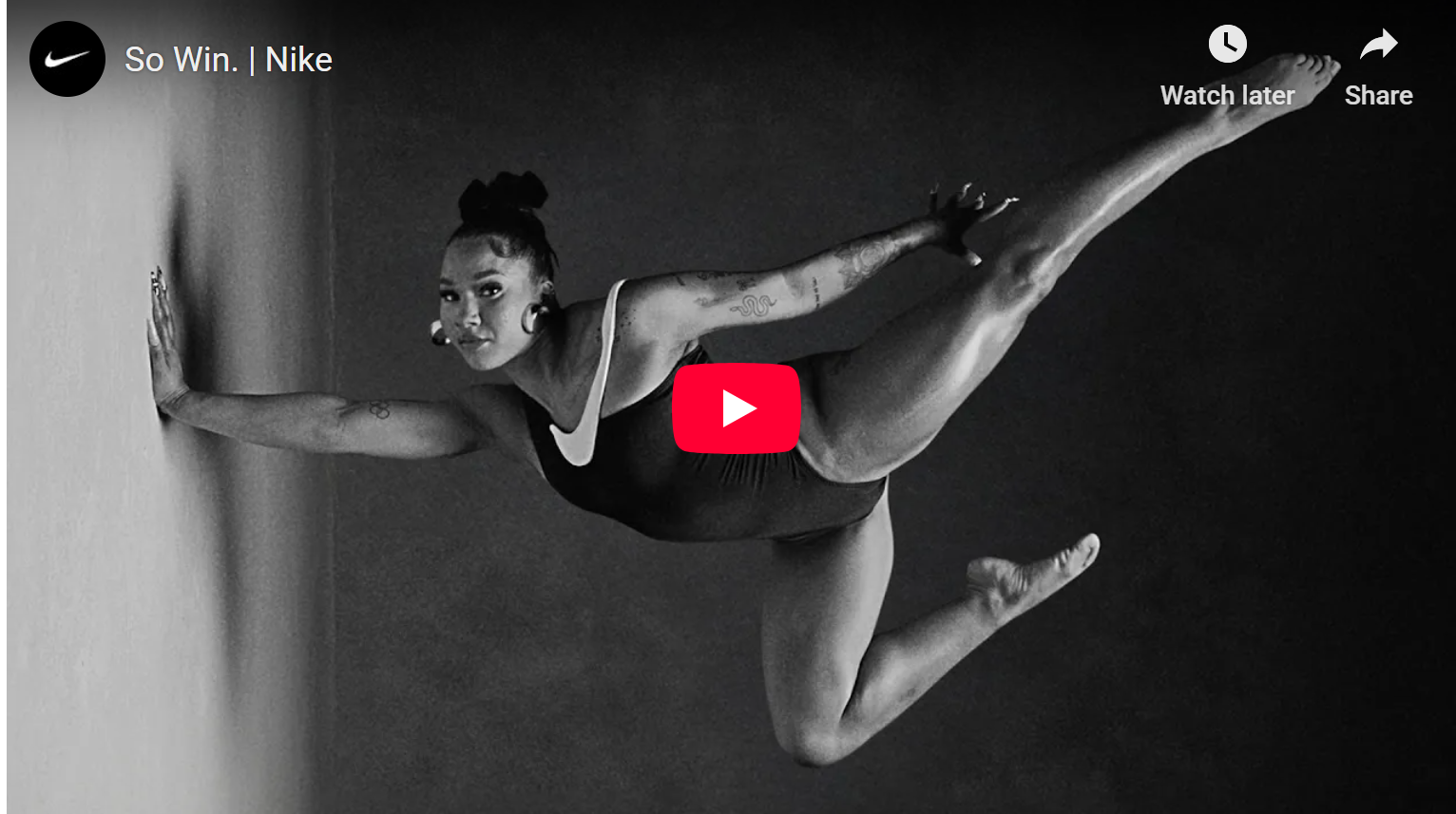
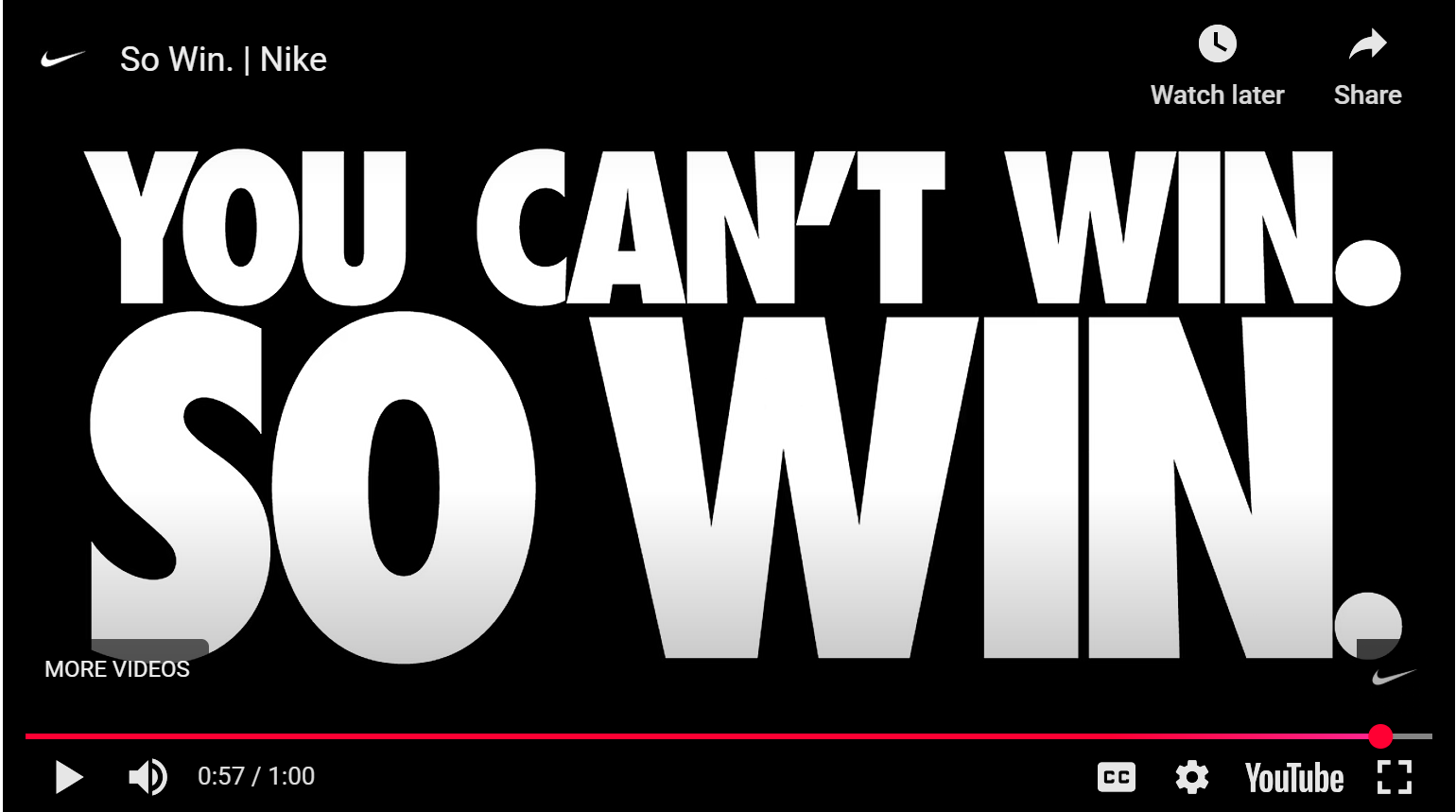
Nike’s 2025 campaign, “So Win,” wasn’t just about athletes. It was about anyone striving to win in their personal life, even outside sports. So, the fascinating story about this was that this Ad campaign was specifically curated to mark Nike’s return to the Super Bowl after 27 years, as an opportunity to remind women that they can be whoever they want to be by pushing limits and being resilient.
By shifting from “Just Do It” to “So Win,” Nike reframed success as something internal. You weren’t buying sneakers; you were buying confidence.
This emotional storytelling worked because Nike sold belief, not fabric. They made the customer the hero of the ad.
That’s something every PPC advertiser can replicate: make your user the main character. Instead of saying “Our app helps you manage your time,” say “You’ll finally have time for what really matters. It’s what makes people stop scrolling and say, “That’s me.”
When you align your ad offer with your customer’s identity, you’ll improve PPC conversion rate without even changing your budget.
Financial leverage is powerful. It can help a business grow faster or destroy it just as quickly.
When used wisely, it allows entrepreneurs to multiply profits, expand operations, and fund new projects without relying solely on their savings. But when used recklessly, it can lead to overwhelming debt, bankruptcy, and loss of control.
That’s why financial leverage is called a double-edged sword. It can cut both ways.
In this final part of our series, we’ll explore how to use leverage safely, understand its types, and know when to stop borrowing before it’s too late.
Let’s start with the positives. When used correctly, leverage can unlock amazing opportunities for growth.
1. Faster Expansion Small businesses often lack the funds to grow quickly. Borrowing gives them a chance to open new branches, buy better tools, or hire more workers — actions that increase profits over time.
2. Higher Returns on Equity Leverage allows you to earn higher returns with less of your own money. If your project generates a higher return than your loan interest rate, you come out ahead.
3. Access to Bigger Opportunities Some investments, like real estate, manufacturing, or large-scale imports, require significant upfront capital. Leverage opens the door to these markets.
4. Tax Advantages In many countries, interest paid on business loans is tax-deductible. This means you can reduce your tax burden while investing in growth.
Financial leverage is taking advantage of borrowed funds to grow wealth or expand a business. In simple terms, it means using other people’s money to do more than you could with your own.
When a company or an individual borrows money to buy an asset or invest in a project, they are using leverage. The goal is to make more profit from that investment than the cost of borrowing.
For example, a business that borrows $1 million at 8% interest and uses the funds to build a new product line expects the profit from that expansion to exceed $80,000 in interest costs. If that happens, leverage worked.
Why Leverage Matters in Business
Without leverage, most businesses would grow slowly. Borrowing allows entrepreneurs to access bigger opportunities without waiting years to save the full amount.
Leverage can:
Help businesses expand operations faster.
Allow individuals to invest in income-producing assets.
Multiply returns when the investment performs well.
Increase a company’s total value through smart debt use.
However, leverage is a double-edged sword. It increases both profits and losses. When things go wrong, the same loan that made growth possible can become a heavy burden.
Are you a content creator, freelancer, or entrepreneur? We all know that working outside of a traditional organisation can bring many wonderful benefits, like having more control over your time. Of course, it also comes with some responsibilities, especially being accountable for your work. The reality is, many of us who work at our own pace can sometimes fall into the trap of just doing things as they feel right, rather than sticking to a plan.
I often find myself drifting from my schedule. At the end of the day, I feel guilty, I plan to change, and because of a guilty conscience, I stick to the plan for a few days. However, as time passes again, I have started working in the free zone, doing as I please.
The challenge isn’t always the work itself; rather, it’s that our easygoing mind tends to take over when we get involved. It prefers to manage things by suggesting the simplest tasks for us. But sometimes, we just need to roll up our sleeves and get the job done. So, what’s the best way forward? It’s about gently guiding your mind to follow a plan by establishing routines—starting with the easiest ones—to help it become comfortable with a steady pattern.
Starting your day with the right habits can truly brighten your focus, boost your energy, and spark your creativity, even before the day gets busy. Here are 10 straightforward morning routines to help you stay productive, with no unnecessary fluff, just straightforward, practical steps to get you going.
Some businesses aren’t failing, they’re just not moving. And some aren’t struggling, they’re silently sinking. This thought may sound harsh, but it comes from a place of curiosity and research into why so many ventures don’t survive, and answers the question of should you continue a business that isn’t working?
According to the National Business Capital & Services (NBCS), only 40% of small businesses make a profit. About 30% break even, while the remaining 30% operate at a loss. Beyond that, the U.S. Bureau of Labor Statistics reports sobering numbers:
20% of businesses close within the first year
50% fail within five years
65% don’t make it beyond ten years
If you’ve ever sat up late wondering, “Should I keep going or shut this thing down?”, you’re not alone. Many of today’s most successful founders wrestled with the same question before they either pivoted, reshaped, or completely walked away.
In this blog, we’ll explore:
How to know when a business really isn’t working
How to separate emotional attachment from reality
When to pivot vs. shut down vs. stay resilient
Real examples from businesses that made bold choices
1. The Business Isn’t Growing (And You’ve Tried Everything)
Every business goes through dry seasons, slow months, low sales, or unexpected setbacks. But there’s a big difference between a temporary dip and a long-term flatline. If your revenue graph has looked the same for years (or worse, has been dropping despite your best efforts), it’s no longer a season, it’s a signal.
Many entrepreneurs make the mistake of assuming more hustle will fix the problem. So, you:
Experiment with different marketing campaigns
Adjust your product pricing
Seek mentorship and feedback
Even double your working hours
Yet, the business still feels like a leaking bucket, where you pour in more, but nothing sticks. Take Vine, for example, the short-form video app that launched internet stars like Shawn Mendes and Lele Pons. It was wildly popular, but after four years of its launch, it failed to build a profitable business model. Twitter eventually shut it down, despite its cultural influence. Why? Because popularity without profit is a dead end.
If you’ve been trying everything and nothing works, the market might be saying something you’re refusing to admit: maybe your model needs a re-think. Maybe the product you’re offering doesn’t solve a problem people are willing to pay for anymore.
Ask yourself: “Is the market telling me something I’ve been too emotionally invested to see?”
2. You’re Emotionally Drained (And It’s Not Just Burnout)
Every entrepreneur knows what burnout feels like, the long nights, endless tasks, and the bone-deep exhaustion that comes with building something from scratch. Usually, a little rest, prayer, or a short break is enough to bounce back.
Some people view poverty in a positive light, but living in lack is something to dislike with all your strength. And, if you’ve ever needed a small amount of cash to fix a problem urgently and didn’t have it, and you are not the type of person who likes to burden others with your issues, you can relate to this list of books that will make you instantly hate poverty and want to work smarter.
Hating poverty means getting so tired of scarcity thinking, excuses, and just‑enough living that you decide: “I won’t live like this again.”
And what does it mean to work smarter? It means understanding how wealth truly works, knowing yourself better, and using practical methods to gain absolute freedom instead of just hustling harder.
The five books I’ll share will make you strongly dislike poverty and inspire you to work smarter. These are not quick-fix guides to getting rich. Instead, they shift your mindset. They help you see poverty not just as a lack of money, but as a way of thinking that traps you. They also show you more innovative ways to escape that mindset.
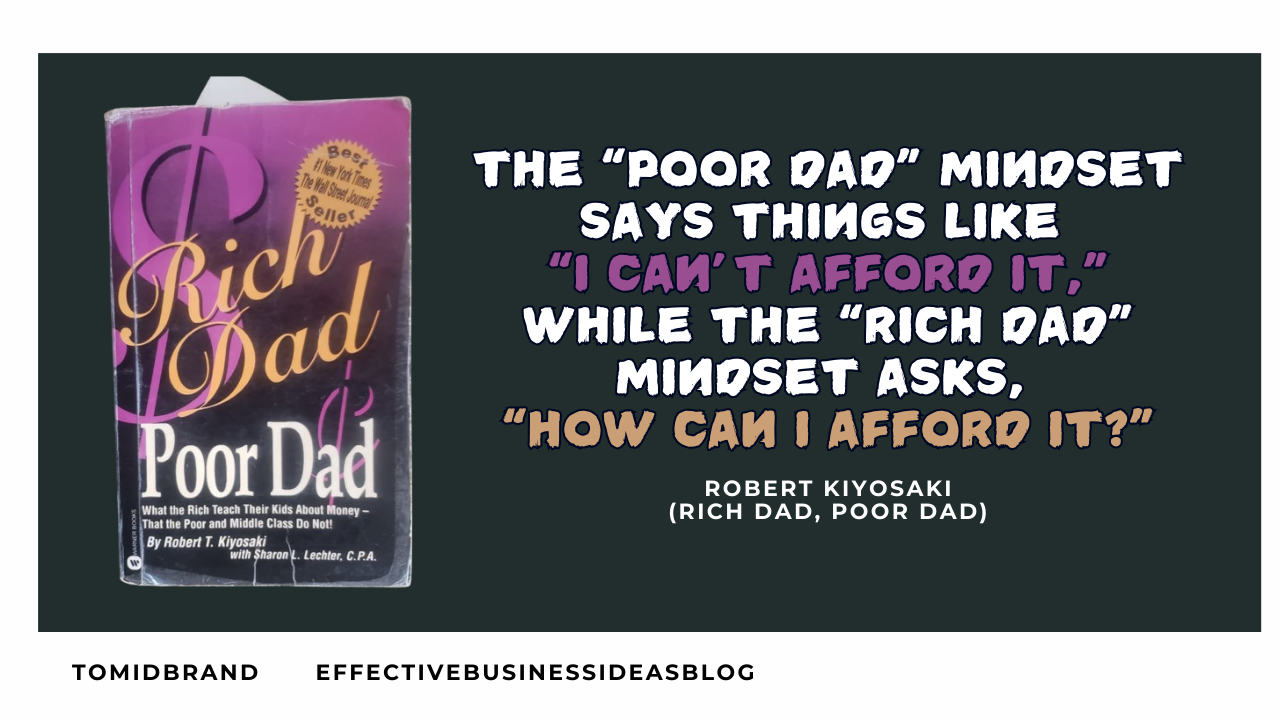
1. Rich Dad Poor Dad by Robert Kiyosaki: A Must-Read Book to Escape Poverty
Do you really care about wealth if you haven’t read this book?
I thought I understood money until I read Rich Dad Poor Dad. This book forced me to confront the difference between “working for money” and “making money work for you.” Robert Kiyosaki tells the story of growing up with two father figures: one highly educated but always broke, and the other, a father who never finished eighth grade but is financially free. The big lesson? Poverty is first a mindset before it shows in your bank account. The “Poor Dad” mindset says things like “I can’t afford it,” while the “Rich Dad” mindset asks, “How can I afford it?”
It provided better insights into how the poor and middle class become trapped in a cycle of jobs, bills, and debt, while the wealthy focus on assets, investments, and financial literacy. After closing the book, I couldn’t imagine being comfortable with the lack anymore.
Schools prepare you to work for others, but rarely teach you to achieve financial independence.
The biggest punch for me was the idea of how school really prepares you to work for others and that made more sense to me, because I am just few days to completing my Master’s project defense and felt like I had spent so much as regards to time, finances and resources on getting this degree, and still wake up clueless on how to be financially free and at least have money consistently coming in for me.
The book explains why simply working harder or chasing promotions will never lead to genuine wealth. Instead, focus on building assets and making money work for you. After reading it, you’ll never see your 9–5 job the same way again. It forces you to think beyond salaries and start aiming for financial freedom.
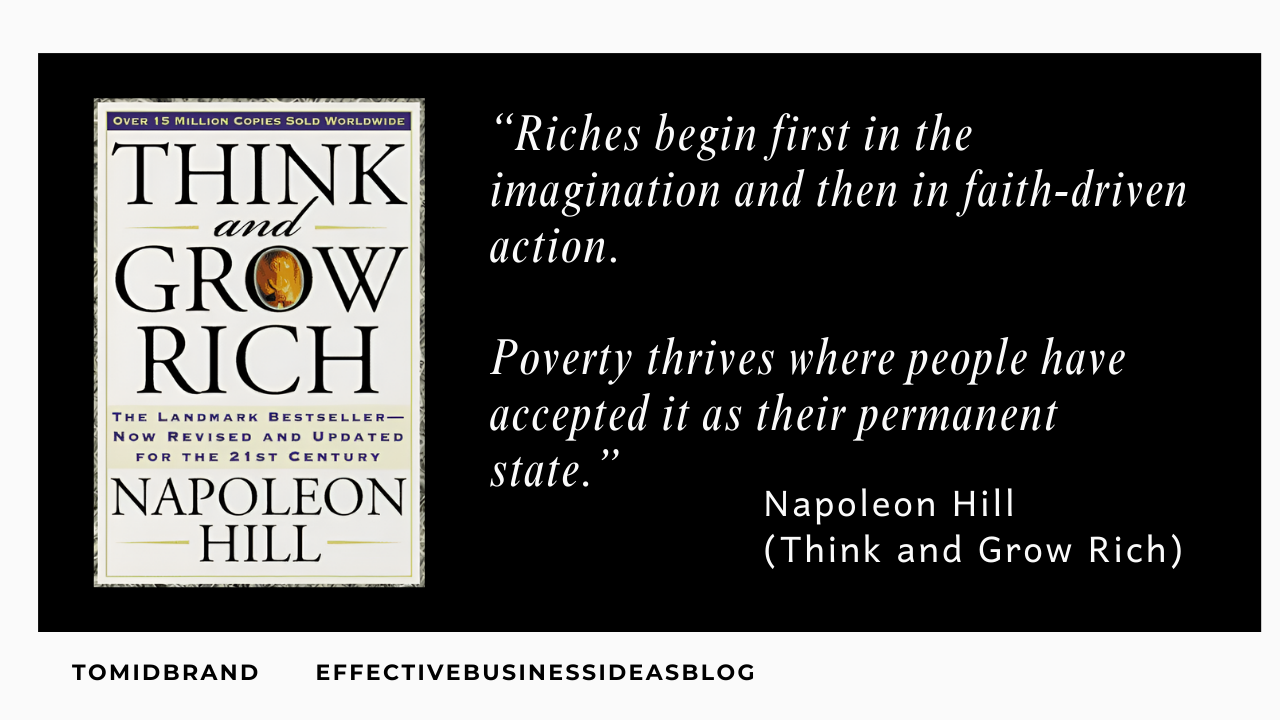
Napoleon Hill’s book forces you to confront what’s really standing between you and wealth: your own mind. The greatest lesson I took from Think and Grow Rich is that riches begin first in the imagination and then in faith-driven action. Poverty thrives where people have accepted it as their permanent state, but wealth begins where people dare to picture more and act like it’s possible.
He breaks down wealth-building into timeless principles, desire, faith, persistence, imagination, decision-making, and the power of the “mastermind.” For me, the most striking part was how he insists that definiteness of purpose separates the rich from the poor. Poor people dabble, the wealthy commit. Poverty is scattered energy. After reading, I couldn’t see poverty as “just the way things are” anymore; I began to see it as a defeated mindset.