Author: Shalom Page 2 of 19

How to Start Investing with ₦10,000 in Nigeria: Easy Guide (2026)

Are you thinking of starting an investment portfolio, but each time you want to, you think, “How can I start investing when all I can afford is just 10,000 naira”? Which is less than $ 10 at today’s exchange rate.  Many Nigerians think investing is only for the rich, bankers, or people who earn a lot each month. That is not true anymore. Today, with digital tools, ₦10,000 can be the start of your investment journey if you use it well.

The truth is this: wealth is not just about how much money you begin with, but about how soon you start, how steady you are, and how well you make your money grow over time. And by early, I don’t just mean starting young; I mean deciding to start today. Today is the earliest time you can begin if you haven’t started yet. 

My first entry into crypto was about $5 I bought through Binance P2P back then, when Binance offered it to Nigerians. I could only afford to test with $5, and a little over a year later, I had made transactions in the hundreds of dollars, in fact, over a thousand dollars in crypto alone. 

Why ₦10,000 Matters More Than You Think

If you ignore the value of 10,000 naira, you are likely not to appreciate the value of a million naira. To explain, 1,000,000 is just 10,000 repeated 100 times. Many people earn more than a million in a year, but not many can say they have saved 1,000,000 over ten years. Why? Because they ignored the small amounts, waiting for a big windfall that might never come.


Think about the simple breakdown below: 

  • ₦10,000 invested monthly becomes ₦120,000 yearly (without returns)
  • With growth, reinvested earnings, and regular effort, it can grow much more over time.
  • More importantly, you are building a winner trait: investing.

Many wealthy people started with small amounts, and today they control unimaginable wealth. The key is the discipline of saving and growing what they have saved already. Let’s look at a few key things to note. 

Savings vs Investing: Know the Difference

Before we start talking about investing, we need to understand that the first step might be practising a rare habit many people lack: saving. Saving means setting money aside for safety or short-term goals. The purpose of saving is to help you gather a large amount of money to put into a project, and in this case, your investment portfolio.

Personally, I have tried saving in different ways, but I must be honest that saving can be very hard. I notice that as soon as I save for emergencies, something unexpected happens. Saving is connected to investing because, depending on the kind of investment you want, you might need to save about 10,000 over time to get started (though many apps now let you invest with just 10,000 naira).

What really is investing?

Investment means putting money into assets that grow in value and generate income for you over time. Examples include mutual funds, stocks, Treasury bills, farming businesses, and, less often, starting or funding your own business.

Investing helps your money grow, but it begins with one simple rule: save first, then invest. If ₦10,000 is your last money for food or urgent bills, it’s better not to invest it yet. But when you’re ready, ₦10,000 can open opportunities—it might not buy luxury, but it can buy your first investment share, entry to financial markets, good habits, money knowledge, and a better future.

Best Ways to Start Investing with ₦10,000 in Nigeria

1. Mutual Funds

Mutual funds pool money from many investors and are managed by professionals. This makes them a good option for beginners because they offer a low entry amount, lower stress, and diversification. Investing in mutual funds is better than leaving your money idle, and some Nigerian platforms allow you to start with small amounts. Mutual funds are ideal for people who want passive growth.

2. Treasury Bills / Money Market Funds

These are lower-risk options, best suited for conservative beginners, short-term goals, and people learning to invest gradually. While returns may not be massive, they are usually steadier than a random scheme, making them a reliable choice for those prioritising safety and stability. 

3. Fractional Stock Investing

In the past, buying major shares required significant capital, but today some apps let you buy fractions of stocks. This means you can own part of Nigerian or international companies without needing huge amounts of money. Fractional stock investing is good for long-term growth and expands your investment opportunities.

4. Invest in a Skill

Sometimes the best first investment is in yourself. With ₦10,000, you can enrol in courses like graphic design, video editing basics, digital marketing, writing, or learning AI tools. Developing a profitable skill can return more than many traditional investments and boost your earning potential.

5. Small Reselling Business

You can use ₦10,000 to start a small reselling business by buying and selling accessories, snacks, digital products, recharge/data services, or mini household goods. Generating active income from a small business can be a smart first step before moving on to passive investing.


How to find the right Apps and Investment Platforms in Nigeria


When choosing a broker for investing, popularity should not be your main concern. The most important thing is that the broker is regulated and has a good reputation. Make sure your broker is approved by investment regulators in Nigeria and other countries. Some of these regulators include the Securities and Exchange Commission (SEC), Central Bank of Nigeria (CBN), and the Nigerian Investment Promotion Commission (NIPC).

Next, check the rules for withdrawing money and the fees they charge when you invest or withdraw. Don’t just believe their ads; read honest reviews online before you start investing.

Best Investment Opportunities in Nigeria You Can Start with ₦100,000 (2026 Guide)

Investment Pitfalls to Avoid as a Newbie Investor

1. Ponzi Schemes

Ponzi Schemes are known for one thing: unrealistic gains. They promise to double your money in days through methods that are neither fundamentally nor technically reasonable. Ensure you avoid Ponzi schemes as a starter for many reasons, which I will describe in another blog.

Run from any investment that is too good to be true. Every investment is a landmine, and sometimes you will step on a few; smart investors have only mastered how to win more than they lose. 

2. Investing Your Feeding Money

I have come to realise that while living within your means is a cliché, we must also clearly tell people that they have a responsibility to take care of their bodies and their immediate family in the most affordable and reasonable way. This means that if you are hungry and your basic needs are not being met, it might be the first thing to invest in. If you take money that should go toward your basic needs and put it into your investment portfolio, you will soon sell it to cover those needs. The sad reality is that you will have to sell under any condition, which could be in an unfavourable market. 

3. Impatience

I have lost more money being impatient than in bad investments. I realised that emotional management is the key to being a successful investor. Knowing when not to step into a trend and when to take your profit can make the difference between long-term success and failure. If you want the whole profit now, then be ready for whatever comes in between. Always remember that your goal is to stay long enough till the tables turn in your direction. 

4. Following Hype

Fear of missing out (FOMO) is the biggest trap many investors fall into. They assume that not investing today will cause their entire investment structure to crumble. Let me tell you the truth as someone who is very experienced in investment psychology: investing in a rush is why you will never master what works and what does not. If you can’t wait, then you are probably notion your right senses. So don’t follow the crowd, follow your conviction. 

What to Do After Your First ₦10,000

Your first investment is your first big step, not your last. No single tree makes a forest. Rarely does one investment make you a success, unless you bought BTC in 2009. After your first investment, automate your investing so you save before you think. Maintain your investment amount steadily, then increase it as your finances grow. If you hold shares that pay dividends, reinvest them. It’s better to buy regularly and watch your portfolio grow than to diversify.

Don’t forget that discipline is the key to successful investment. If you find it difficult to invest, you will need a broker who forces you to commit over a period. I use Cowrywise for my naira and even for my USD mutual fund. It also allows me to have a locked savings account that cannot be withdrawn. This gives me an excuse not to touch the cash, and the amazing part is that it even offers as much as a 10% APY. I would lose money in my savings account with the regular bank, but with Cowrywise, you can earn as you save.

Start your savings and investment journey with my referral link. https://get.cowrywise.com/r/Oluwawyi

Related Blogposts

5 Cashflow Tools To Track Business Health as a Sole Proprietor. 

In the first part of this series, we explored the AI skills every sole proprietor can learn to increase sales and 10X income. However, growing revenue is only one side of building a successful business. The other side is understanding your numbers. I have put together 5 Cashflow Tools To Track Business Health as a Sole Proprietor

Many businesses fail not because they lack customers, but because they lack financial understanding. (Survey: Half of US small businesses encounter fiscal challenges due to a lack of financial literacy, 2024)  

If you do not track your income, expenses, and profitability, it becomes difficult to scale sustainably. This is why having the right financial tools remains essential. The best platforms help you monitor your business health, control cash flow, and make smarter decisions that support lasting growth.

In today’s blog post, we will explore five powerful financial tools to help any sole proprietor manage their finances effectively.

1. Accounting Software to Track Income and Expenses

One of the most important tools for any business owner is accounting software. This type of software records all your financial dealings and helps you understand where your money is going.

Services like QuickBooks and Xero allow business owners to automatically track income, categorise expenses, and generate financial reports.

These tools are especially useful for sole proprietors because they simplify bookkeeping without requiring deep accounting knowledge. Instead of managing spreadsheets manually, you can see your financial position in real time.

Using accounting software helps you:

  • Track profit and loss accurately
  • Monitor business expenses
  • Prepare for tax season.
  • Understand whether your business is truly profitable.

When you clearly see your numbers, it becomes easier to determine areas where you can reduce costs or increase revenue.

2. Cash Flow Management Tools

Cash flow is the lifeline of any business. Even profitable firms can struggle if they do not manage when money comes in and goes out. (Cash Flow Management for Financial Stability: Profitability, Debt Service, and Projections, n.d.)

Cash flow tools help you predict and control financial movement inside your business. They show whether you will have enough funds to pay bills, invest in marketing, or hire help.

Tools such as Float and Pulse provide visual forecasts, making financial planning easier.

These tools allow you to:

  • Forecast future cash flow.
  • Identify likely financial gaps.
  • Plan investments more confidently.
  • Avoid monetary surprises

For sole proprietors looking to increase income, proper cash flow management guarantees your business can support growth.

5 AI Skills 10X Income in 2026 as a Sole Proprietor.

AI SKILLS THAT CAN 10X YOUR BUSINESS

Running a business alone is not easy. As a sole proprietor, you are the marketer, salesperson, content creator, and strategist all at once. The challenge is not just working hard; it is working smart.

This is where artificial intelligence (AI) begins changing everything.

AI is no longer only for big companies. Now, anyone can use it to automate processes, improve marketing, and earn more money. Learning the right AI skills can help you save time, find more customers, and grow your income a lot.

In this guide, you will discover five practical AI skills that can help you increase sales with AI and scale your business faster than ever before.

1. AI tools for Marketing and Sales

Content serves as the backbone of an online business. Whether it is blog posts, social media, emails, or product descriptions, content drives visibility and sales.

AI tools like ChatGPT, Jasper AI, and Copy.ai allow you to create excellent content in minutes.

Bitcoin Crosses $71,000 as Trump Delays Iran Strike: What It Means for Crypto Markets

Bitcoin rocketed past $71,000 after President Trump paused military action against Iran, underscoring how powerfully world events can shake up the crypto market. His five-day reprieve calmed immediate fears of Middle East conflict, causing a swift and dramatic price jump.

The news unleashed an outburst of optimism throughout financial markets, sending crypto prices soaring. Still beneath the surface, data shows traders are still wary, questioning whether this rally has real staying power.

Why Bitcoin Surged Above $71,000

How TikTok Marketing Is Driving Crypto Adoption in 2026

The crypto industry is changing quickly, and so is the way people find out about it. TikTok marketing is driving crypto adoption, and many experts are surprised.

A few years ago, getting into crypto meant reading complicated whitepapers, joining technical forums, or trying to break into expert-only communities. Now, it’s much easier and more interesting to get started.

TikTok is changing the way people learn about, interact with, and invest in digital assets. It’s helping crypto brands link with new users.

If your business wants to grow, understanding TikTok crypto marketing isn’t merely a nice-to-have. It’s a must.

What Is Crypto Adoption and Why It Matters

Before we go further, let’s break down an important idea.

Crypto adoption refers to how many people and businesses are actually using cryptocurrencies and blockchain technology. The more people use it, the more mainstream crypto gets.

By 2026, it’s not just developers driving adoption anymore. Everyday users are leading the way. And where are these users spending their time? Over TikTok.

TikTok has more than a billion users worldwide, making it a top place to spot new trends, including financial ones. (TikTok User Statistics and Facts (2025), 2025)

That’s why it’s now one of the best ways for crypto brands to grow.

Crypto and Stocks in 2026: Where Smart Money Is Actually Moving (And Where You Should Be Careful)

In 2026, money has become selective, strategies have been modified, and if you are very acquainted with the trend, you will realise that investors are no longer throwing capital at everything that is trending. In short, capital is stiff, and investors are very careful. Investors are asking questions like; 

  • Does this asset generate value?
  • Does it have institutional backing?
  • Is it regulated?
  • Is it sustainable?.

This prevailing sentiment is now reshaping both stocks and crypto. If you want to invest wisely this year, you must understand where capital is flowing and why you think that is the case. 

Stock Market: The Basics, Rules, and Success Tools in 2024

Where Smart Money Is Moving in Stocks

1. AI Infrastructure Not Just AI Hype

Investment in AI is not just about the hype anymore; it is focusing on where smart money is investing. Smart money is investing in Semiconductor manufacturing, Cloud computing providers, Data centre infrastructure, Cybersecurity firms.  Because AI runs on infrastructure, owning the shovel in a gold rush is often safer than chasing gold. Owning or investing in infrastructure gives you more hedge in the whole ecosystem than chasing the end product. 

2. Quality Companies With Strong Balance Sheets

When liquidity is uncertain, investors look for strength instead of hype. They are now more selective, choosing companies that can handle tough economic times without needing to borrow all the time. Investors prefer businesses with low debt, steady cash flow, strong profit margins, and a solid record of paying dividends. These companies do not rely on market buzz to keep going.

In 2026, more people are paying attention to quality-factor investing because it focuses on financial strength rather than hype. When markets get shaky, companies with strong balance sheets can better handle the ups and downs. Rather than chasing quick growth, careful investors are choosing companies that can weather tough times and still deliver results.

3. Broad Market Exposure

Passive investing remains popular because history shows that consistency usually outperforms. Over the long run, index funds tend to do better than most active traders, especially when you consider fees and common emotional mistakes.

With broad market exposure, investors can benefit from overall economic growth without having to guess which company will come out on top. Diversifying helps spread risk across sectors and industries, making market downturns less stressful. Rather than trying to beat the market every week, investors who choose broad exposure focus on staying invested for the long term instead of trying to pick the perfect moment to buy or sell.

Where Smart Money Is Moving in Crypto

Crypto in 2026 looks very different from what it was in 2021. The days of wild speculation have given way to a more organised market. There is more regulation, greater institutional involvement, and a stronger focus on infrastructure development. Investors are now seeking lasting value and ways to integrate crypto into the broader financial system.

Investing in 2026: How to Win in an Unpredictable and Changing Market. 

2026 isn’t a year for beginners because smart money leads the way now. Hype is fading faster, but solid strategies last. If you want to start investing in 2026 then this is the blog for you.

AI-driven stock jumps, stricter crypto rules, changes after interest rate shifts, and big institutions leading the markets are all shaping 2026. This year is making it clear who’s investing wisely and who’s just taking chances.

That’s actually a good thing. Disciplined investors are doing well. If you want to make smart, not emotional, choices in 2026, this guide can help.

What Every Investor Needs to Know About the 2026 Market

Taking Control of Your Spending: Manage Your Money Without Guilt, Stress, or Deprivation in 2026

In Part 1 of this series, we focused on awareness. Going through how to clearly see where your money goes, spot spending patterns, notice emotional triggers, and find hidden money leaks that quietly drain your finances. But this time around it’s about how to take control of Your Money.

Awareness is powerful, but without action, it can be frustrating. This second part you are reading is not about turning you into a financial robot or forcing you into strict rules. Instead, it will help you build a system that fits your life, your income, and your current situation. Money management should feel supportive, not suffocating.

PART 1: Where Is Your Money Really Going?

1. Why Traditional Budgeting Fails Most People

Let’s start with honesty. Most people have tried budgeting and quit. Why? Because traditional budgeting often is too rigid, assumes a fixed monthly income, leaves no room for real life, and is built on guilt rather than alignment. 

For students and creators, especially, budgeting can be challenging because income may be irregular, project-based, seasonal, or unpredictable. Trying to fit your life into a strict plan creates pressure and can lead to burnout.

Here’s the reframe you need:

Money management is not about restriction. It’s about intention.

The goal isn’t to spend less no matter what, but to spend smarter. Changing our focus from Restriction to Alignment. Before you talk numbers, percentages, or rules, you need clarity on one thing:

What matters most to you in this season of life?

Your spending should support your priorities, not work against them.

Ask yourself:

  • What am I building right now?
  • What do I value most in this season?
  • What does “progress” look like for me?

For example:

  • A student may prioritise education and stability
  • A creator may prioritise tools, growth, and flexibility
  • A young adult may prioritise peace and independence

When your spending matches your values, you no longer feel deprived.

ALSO READ: THE ROLE OF BUDGETING IN FINANCES

3. The Simple Spending Framework (Flexible & Realistic)

Where Is Your Money Really Going?

For most people, the real issue isn’t money itself, but a lack of clarity. You earn, you spend, and by the end of the month, you find yourself asking, “Where did my money go?” Somehow, your money seems to disappear before you realize it. You might think:

  • “I don’t even spend that much.”
  • “If I earned more, I’d be fine.”
  • “Once I get a better job/blow/client, things will stabilise.”

But here’s the uncomfortable truth:

Money problems usually start with untracked spending, not low income.

This is especially true for young adults, students, and creators. For many, income can be irregular, digital, or still growing. Before you think about budgeting, investing, or saving, there is one foundational skill to master:

Identifying where your money is actually going.

This is Part 1 of a two-part series we have crafted for you at Effectivebusinessidea.com  to help you master your money:

  • See your real spending habits clearly
  • Identify hidden money leaks
  • Build awareness without guilt or shame

1. The Spending Illusion: Why You Think You Know, But You Don’t

Most people believe they understand their expenses. But actually, they are guessing. Why? Because modern spending is:

  • Fast
  • Digital
  • Automatic
  • Emotion-driven

In fact, many people spend more on their apps than they do with cash. You no longer hand over cash and feel the loss immediately. Money leaves quietly through:

  • Apps
  • Subscriptions
  • Transfers
  • One-click purchases

This creates what I call the spending illusion. It’s the gap between what you think you spend and what you actually spend. For young adults and creators, this illusion is even stronger because:

  • Income may come in chunks, not monthly
  • Spending is tied to lifestyle, pressure, and online influence
  • Many expenses feel “small” individually, but are dangerous collectively

Being aware of how your money flows out is the first step toward taking greater control of your financial life. 

2. The Five Spending Categories Most People Overlook

To truly understand your spending, stop thinking in terms of random transactions and start thinking in terms of categories. Categorising your expenses is a great way to identify where the real issues are coming from. 

Here are the five major spending categories where money quietly leaks.

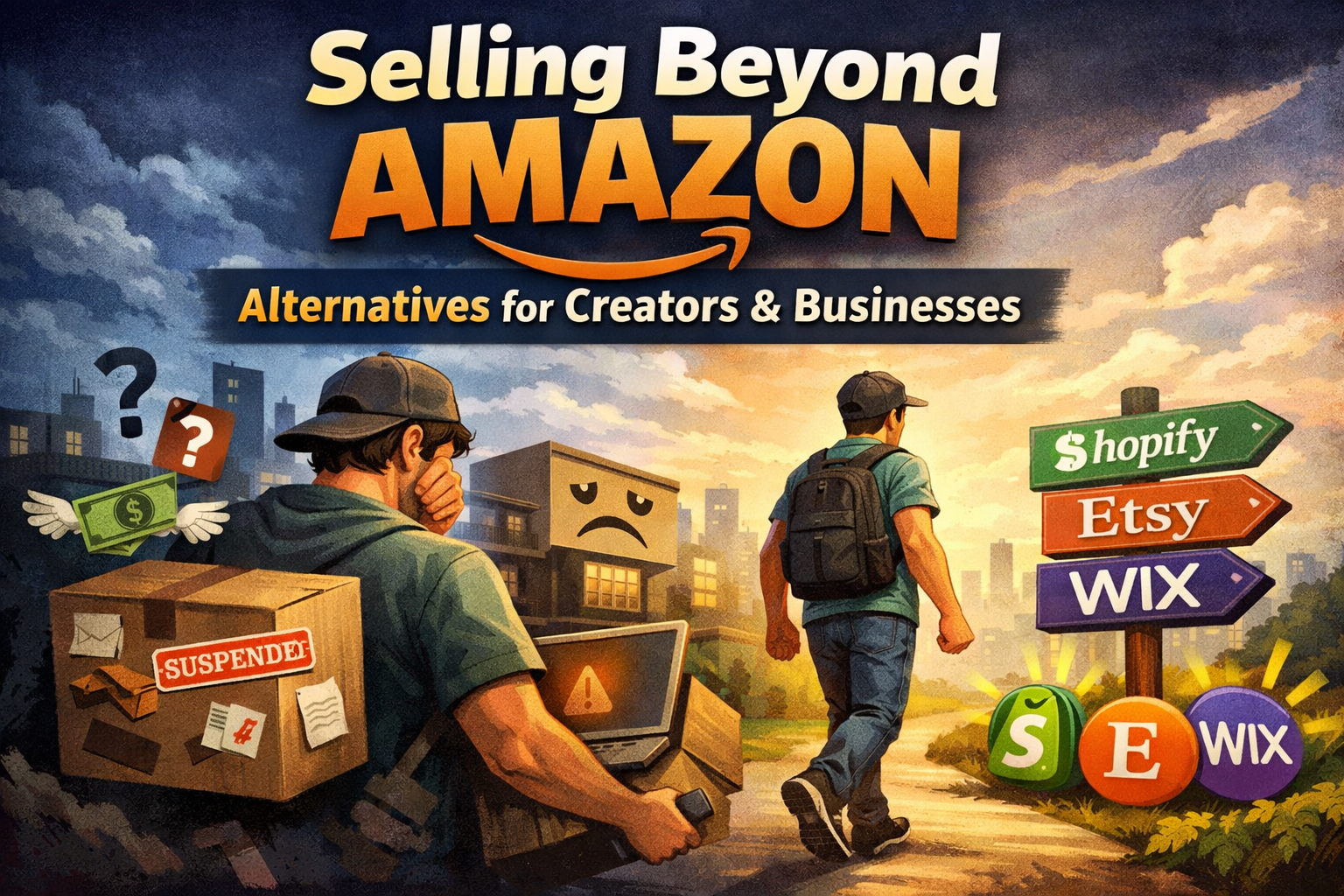
Selling Beyond Amazon: Alternatives for Creators and Businesses

Amazon is the world’s biggest online marketplace, but it still has its flaws. Many creators, entrepreneurs, and small businesses face high fees, intense competition, account restrictions, and limited control over their brand and order fulfilment.

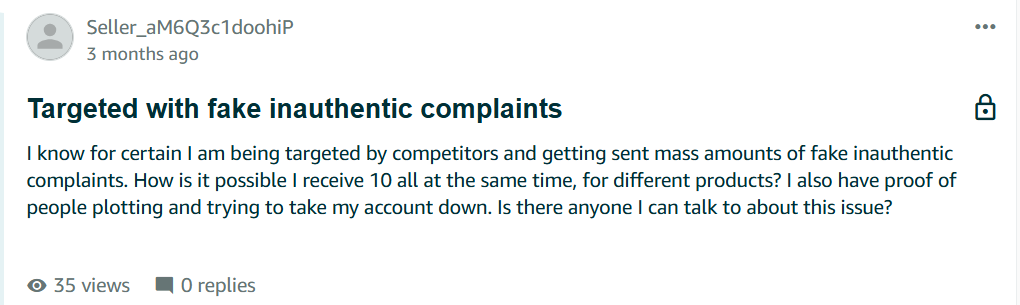
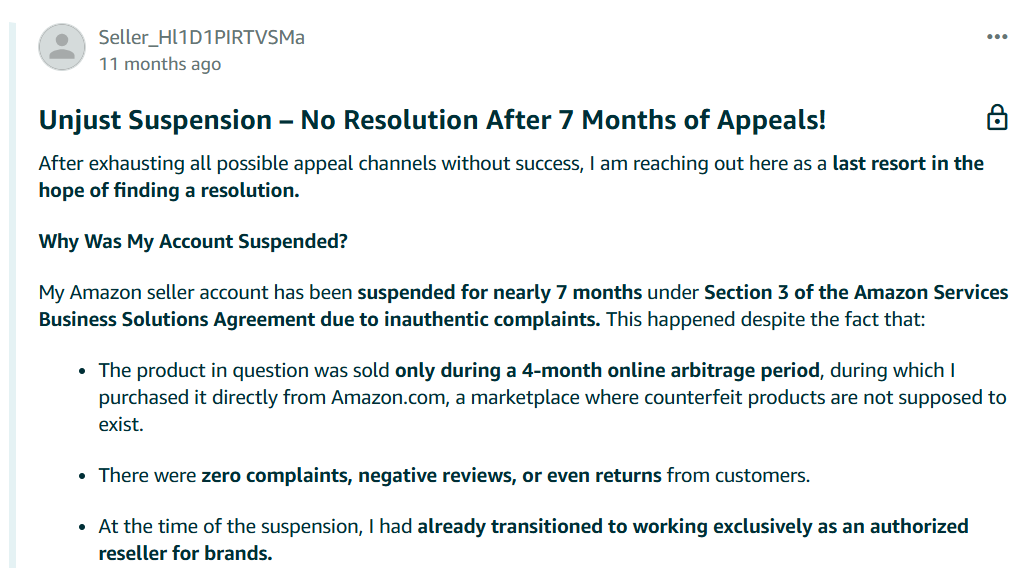
If you have ever used Amazon, you probably know it comes with some regulatory challenges. Sometimes, these issues are hard to understand or explain. I used to sell on Amazon, and it took me over two months to get my first sales processed. When I finally got paid, Amazon had taken almost half of the money. By the time I received my payment, I had lost a lot to various fees, especially since I was not selling in the US.

Here are some pictures from other sellers who also could not figure out why their accounts were terminated.

Targeted with fake inauthentic complaints

Unjust Suspension – No Resolution After 7 Months of Appeals!

Page 2 of 19

Theme by Anders Norén & Customized by Karol K